View the latest weather information
×

MIKE DELEONARDIS WEATHER


TROPICAL WEATHER DISCUSSION
Tropical Weather DiscussionNWS National Hurricane Center Miami FL0015 UTC Mon Apr 20 2026Tropical Weather Discussion for North America, Central AmericaGulf of America, Caribbean Sea, northern sections of SouthAmerica, and Atlantic Ocean to the African coast from theEquator to 31N. The following information is based on satelliteimagery, weather observations, radar and meteorological analysis.Based on 1800 UTC surface analysis and satellite imagery through2315 UTC

.MONSOON TROUGH/ITCZ

The monsoon trough axis extends from 07N11W southwestward to 03N17W, where it transitions to 00N30W to 01S47W. Scattered moderate to isolated strong convection is within 180 nm south of the ITCZ between 23W-30W. Scattered moderate convection is within180 nm south of the ITCZ between 31W-35W and within 60 nm north of the ITCZ between 33W-38W. GULF OF AMERICA

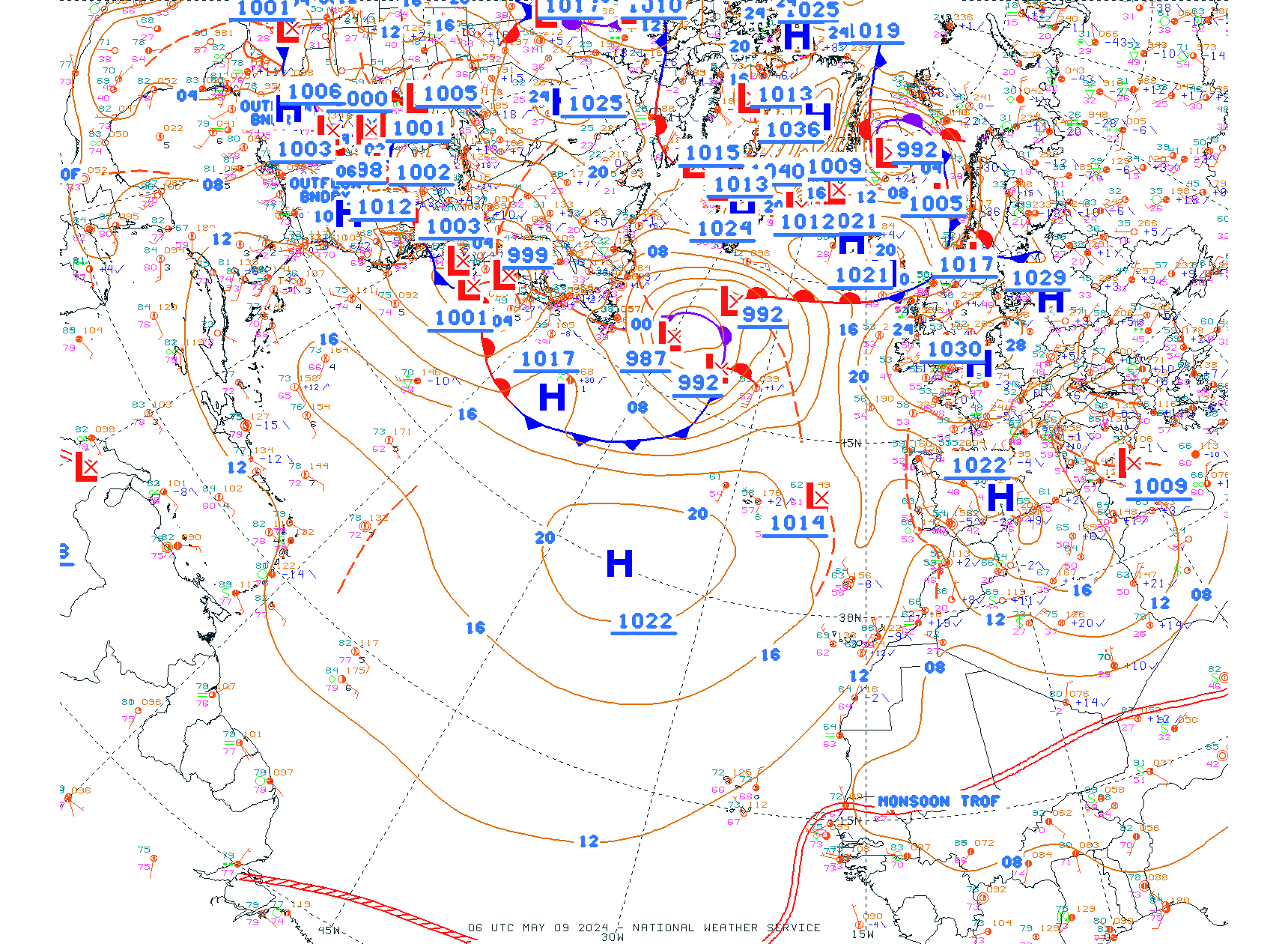
A late-season cold front extends from north-central Floridasouthwestward to 27N88W and to a weak 1018 mb low at 25N96W.A cold front extends from the low south-southwestward to inland Mexico just south of Tampico, Mexico. Fresh to strong north-northeast winds are behind the front as noted in recent scatterometer satellite data. Seas of 6 to 9 ft with these winds are indicated in buoy data, and also confirmed by altimeter satellite data. Moderate to fresh northeast to east winds are east of the front. Seas with these winds are 5 to 7 ft. A surface trough is analyzed in the central Bay of Campeche. Fresh northeast winds over the Bay of Campeche are somewhat supported by the trough. Seas there are 3 to 5 ft.For the forecast, the fresh to strong north to northeast winds and moderate to rough seas will follow the cold front as it movessouthward across the northern Gulf through Mon. The front is then expected to stall from the Straits of Florida to South Texas Mon night. On Tue, the western portion of this boundary will gradually dissipate over the central and western Gulf, whilethe eastern portion will resume moving southward into Cuba and the Yucatan Channel. In the wake of the front, gentle to moderatesoutheasterly winds will return to the Gulf on Thu.
CARIBBEAN SEA

A fairly weak pressure gradient is generally allowing for moderate or weaker trades to exist across the basin, with the except for locally fresh trades possible in the south-central Caribbean off the coast of Colombia, along the southern tip of Hispaniola, and within Atlantic Passages in the Lesser Antilles. Seas are about 3 to 5 ft across the basin, with locally higher seas in the Atlantic Passages of the Lesser Antilles.Scattered showers and thunderstorms are noted over some of the interior sections of central Cuba. Isolated showers and thunderstorms are just inland the eastern tip of eastern Cuba, and along and just inland and offshore the southern coast of Jamaica.For the forecast, a weaker than usual pressure gradient will support mainly gentle to moderate winds through Tue. Fresh to strong northeast winds may develop Tue night and Wed across the Windward Passage and at the lee of Cuba associated with a late- season cold front moving across Cuba.

ATLANTIC OCEAN


A late-season cold front has just emerged along the coast ofnortheast Florida. It extends southwestward across north-central Florida and to the Gulf of America. Light northwest winds are behind the front along with seas of 3 to 4 ft. A pre-frontal trough extends from near 31N77.5W to near Daytona Beach. An area of isolated showers and thunderstorms is located from 26N to 28Nand west 75W to inland South Florida. Similar activity is seen from 24N to 27N between 71W and 75W. Broad anticyclonic flow around a high pressure ridge that extends from near 31N53W to 28N69W dominates the remainder of the tropical Atlantic, with its associated gradient bringing gentle to moderate trades across most of the basin. Seas are in the range of 5 to 7 ft.For the forecast west of 55W, winds behind the aforementioned late-season cold front will become fresh to strong, north to northeast in direction tonight. Rough seas will follow the front as it reaches from near Bermuda to the Straits of Florida by late Mon afternoon, and from near 31N60W to central Cuba by Tue afternoon. Winds will begin to diminish Tue night as the front stalls and dissipates along 22N by late Wed. High pressure will settle in between northeast Florida and Bermuda in the wake of the front. Large north swell may linger near the dissipating front Wed into Thu, including waters near the Windward Passage.
Tropical Weather Outlook

Tropical Weather Outlook
TROPICAL WEATHER DISCUSSION

Tropical Weather DiscussionNWS National Hurricane Center Miami FL0015 UTC Mon Apr 20 2026Tropical Weather Discussion for North America, Central AmericaGulf of America, Caribbean Sea, northern sections of SouthAmerica, and Atlantic Ocean to the African coast from theEquator to 31N. The following information is based on satelliteimagery, weather observations, radar and meteorological analysis.Based on 1800 UTC surface analysis and satellite imagery through2315 UTC

.MONSOON TROUGH/ITCZ

The monsoon trough axis extends from 07N11W southwestward to 03N17W, where it transitions to 00N30W to 01S47W. Scattered moderate to isolated strong convection is within 180 nm south of the ITCZ between 23W-30W. Scattered moderate convection is within180 nm south of the ITCZ between 31W-35W and within 60 nm north of the ITCZ between 33W-38W. GULF OF AMERICA

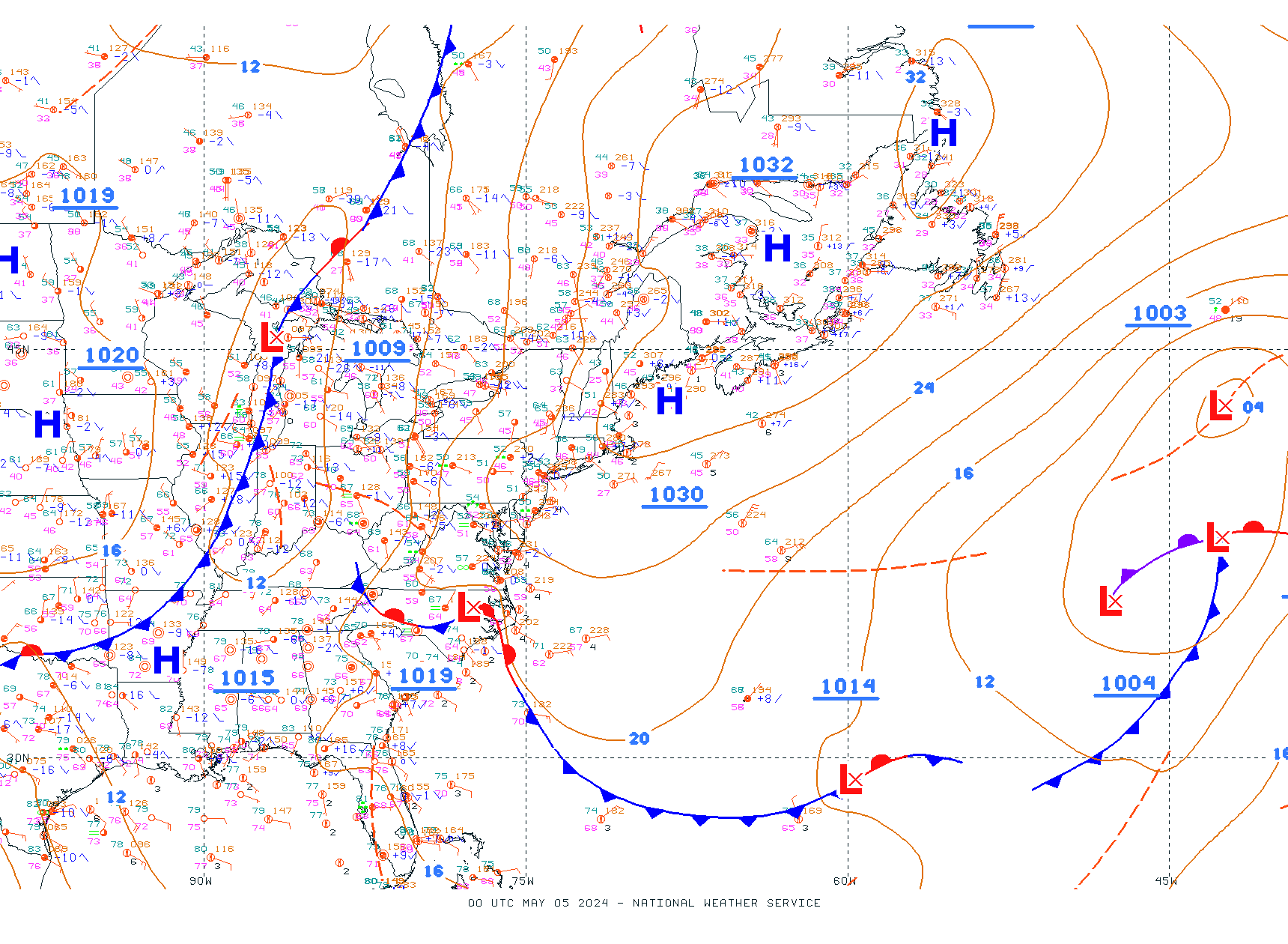
A late-season cold front extends from north-central Floridasouthwestward to 27N88W and to a weak 1018 mb low at 25N96W.A cold front extends from the low south-southwestward to inland Mexico just south of Tampico, Mexico. Fresh to strong north-northeast winds are behind the front as noted in recent scatterometer satellite data. Seas of 6 to 9 ft with these winds are indicated in buoy data, and also confirmed by altimeter satellite data. Moderate to fresh northeast to east winds are east of the front. Seas with these winds are 5 to 7 ft. A surface trough is analyzed in the central Bay of Campeche. Fresh northeast winds over the Bay of Campeche are somewhat supported by the trough. Seas there are 3 to 5 ft.For the forecast, the fresh to strong north to northeast winds and moderate to rough seas will follow the cold front as it movessouthward across the northern Gulf through Mon. The front is then expected to stall from the Straits of Florida to South Texas Mon night. On Tue, the western portion of this boundary will gradually dissipate over the central and western Gulf, whilethe eastern portion will resume moving southward into Cuba and the Yucatan Channel. In the wake of the front, gentle to moderatesoutheasterly winds will return to the Gulf on Thu.
CARIBBEAN SEA

A fairly weak pressure gradient is generally allowing for moderate or weaker trades to exist across the basin, with the except for locally fresh trades possible in the south-central Caribbean off the coast of Colombia, along the southern tip of Hispaniola, and within Atlantic Passages in the Lesser Antilles. Seas are about 3 to 5 ft across the basin, with locally higher seas in the Atlantic Passages of the Lesser Antilles.Scattered showers and thunderstorms are noted over some of the interior sections of central Cuba. Isolated showers and thunderstorms are just inland the eastern tip of eastern Cuba, and along and just inland and offshore the southern coast of Jamaica.For the forecast, a weaker than usual pressure gradient will support mainly gentle to moderate winds through Tue. Fresh to strong northeast winds may develop Tue night and Wed across the Windward Passage and at the lee of Cuba associated with a late- season cold front moving across Cuba.

ATLANTIC OCEAN


A late-season cold front has just emerged along the coast ofnortheast Florida. It extends southwestward across north-central Florida and to the Gulf of America. Light northwest winds are behind the front along with seas of 3 to 4 ft. A pre-frontal trough extends from near 31N77.5W to near Daytona Beach. An area of isolated showers and thunderstorms is located from 26N to 28Nand west 75W to inland South Florida. Similar activity is seen from 24N to 27N between 71W and 75W. Broad anticyclonic flow around a high pressure ridge that extends from near 31N53W to 28N69W dominates the remainder of the tropical Atlantic, with its associated gradient bringing gentle to moderate trades across most of the basin. Seas are in the range of 5 to 7 ft.For the forecast west of 55W, winds behind the aforementioned late-season cold front will become fresh to strong, north to northeast in direction tonight. Rough seas will follow the front as it reaches from near Bermuda to the Straits of Florida by late Mon afternoon, and from near 31N60W to central Cuba by Tue afternoon. Winds will begin to diminish Tue night as the front stalls and dissipates along 22N by late Wed. High pressure will settle in between northeast Florida and Bermuda in the wake of the front. Large north swell may linger near the dissipating front Wed into Thu, including waters near the Windward Passage.

Tropical Formation Graphics
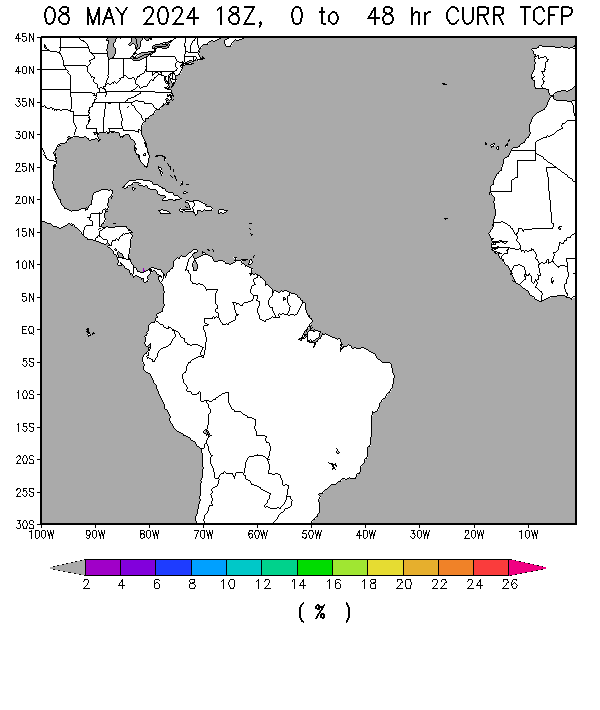
48 Hour Storm Probability
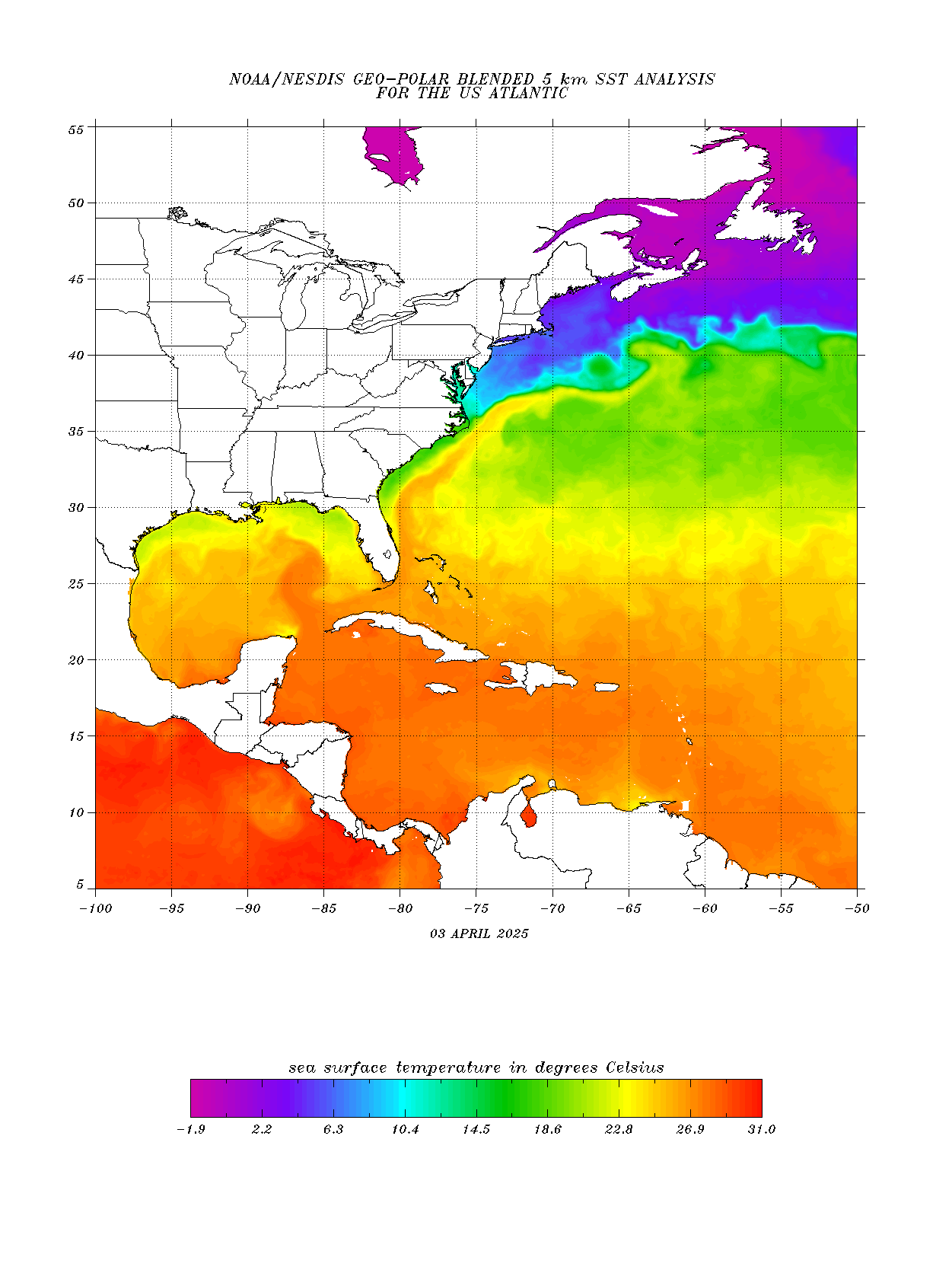
Atlantic Ocean Temperatures
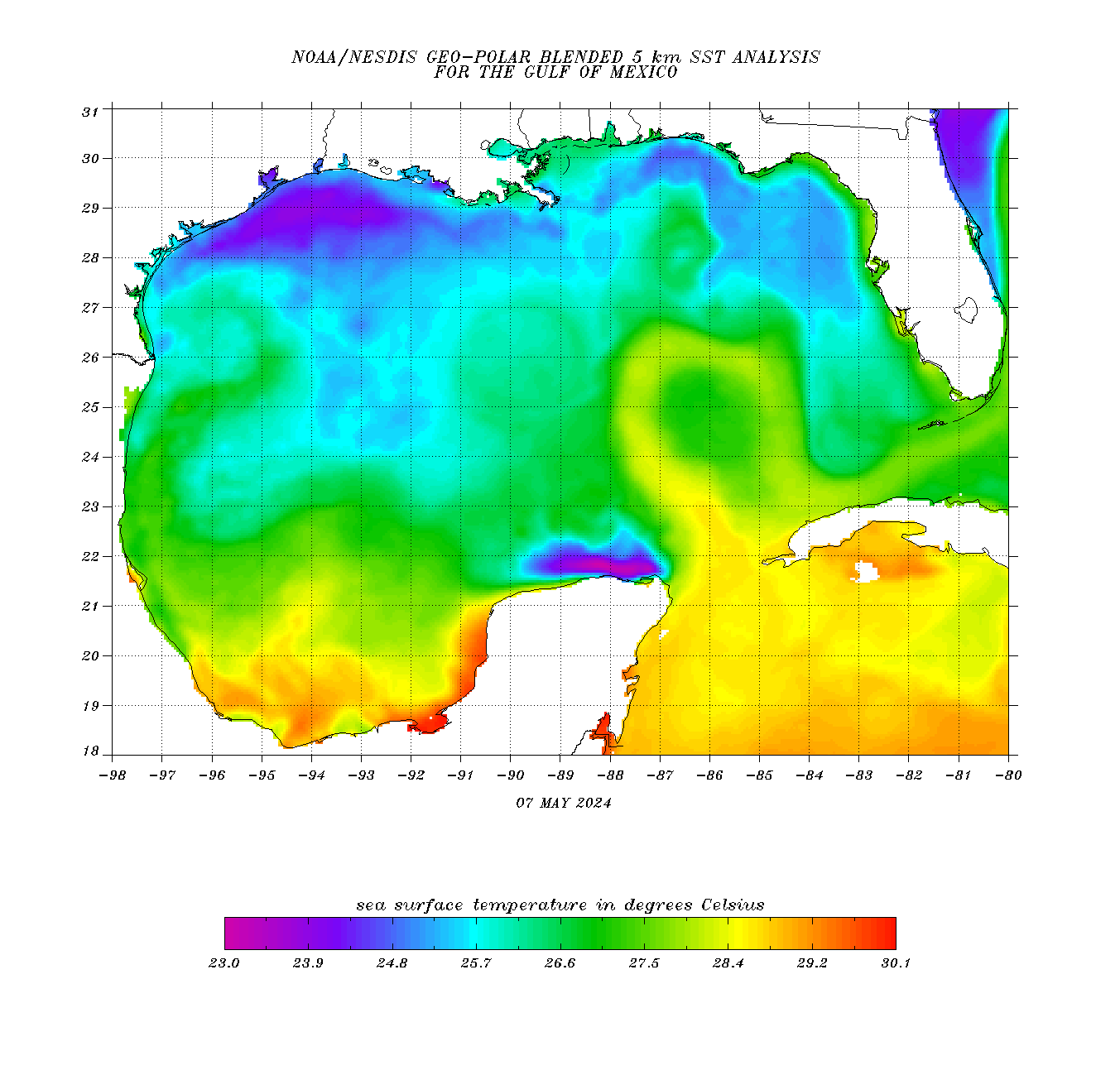
Gulf of Mexico Temperatures
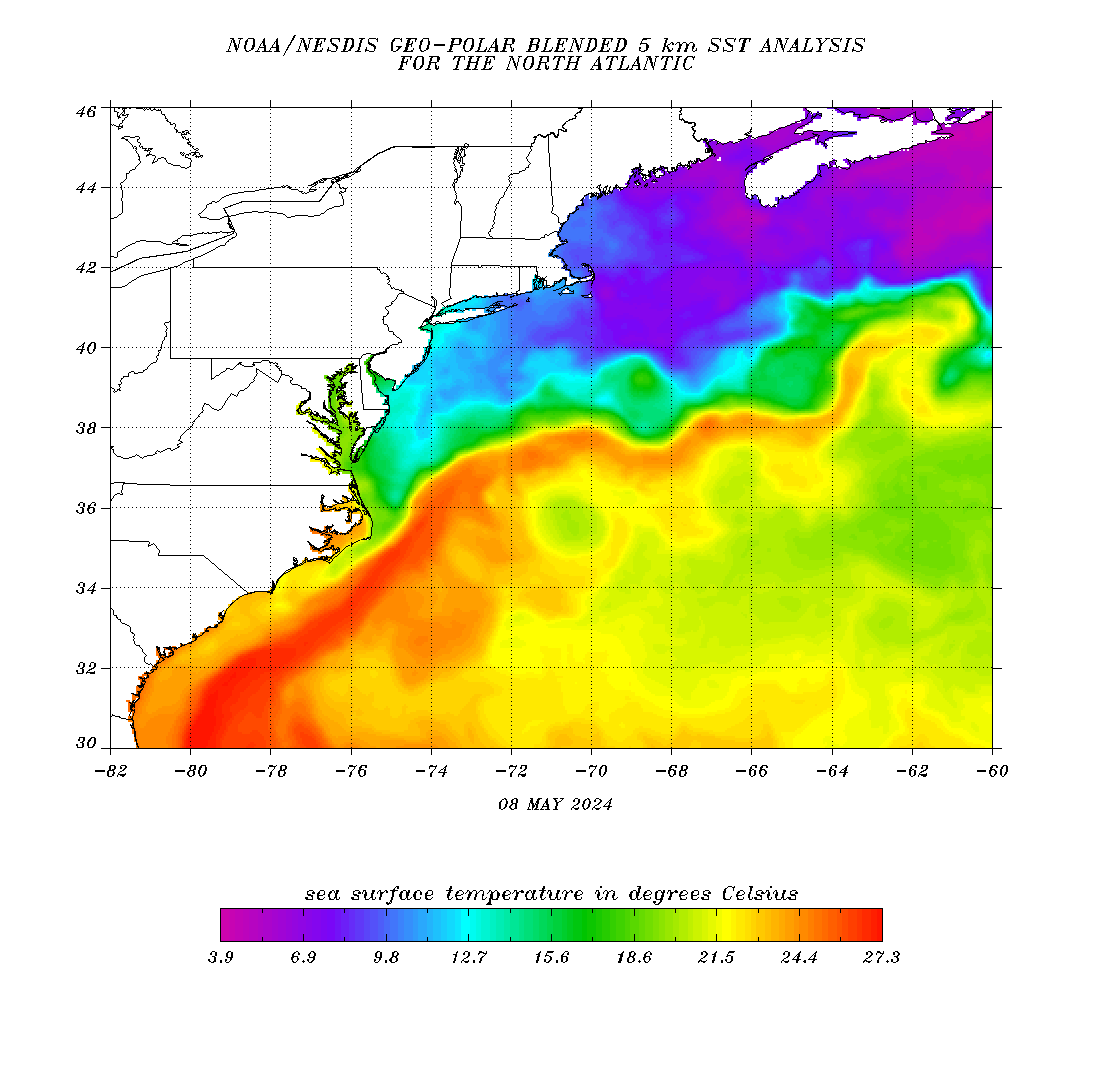
North Atlantic
North Atlantic
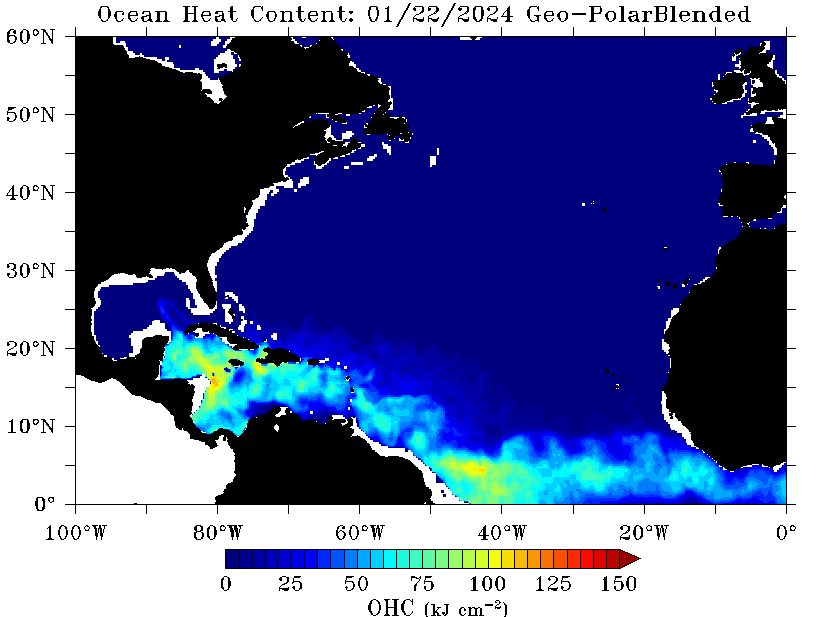
Ocean Heat Content
Ocean Heat Content
SST Anomalies
SST Anomalies

 
US Severe Weather Outlooks
NO SEVERE THUNDERSTORM AREAS FORECAST
Severe thunderstorms are not forecast.
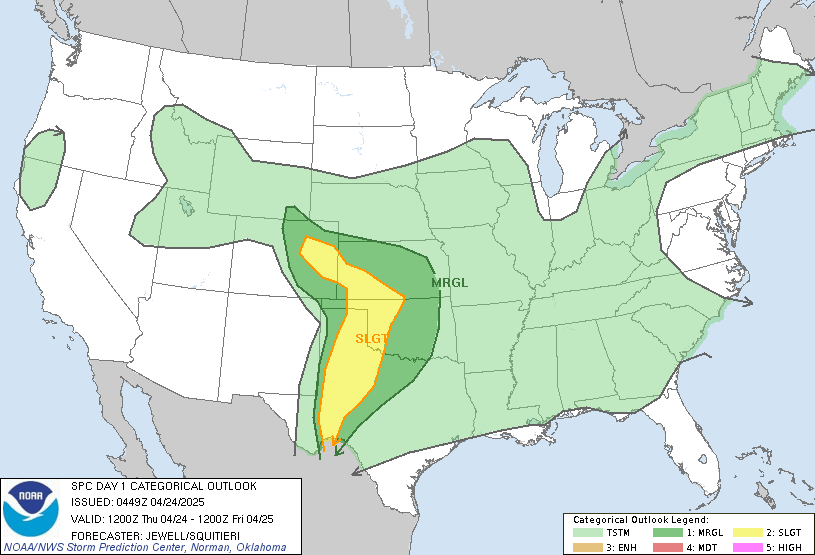
Today's Outlook
Today's Weather Outlook
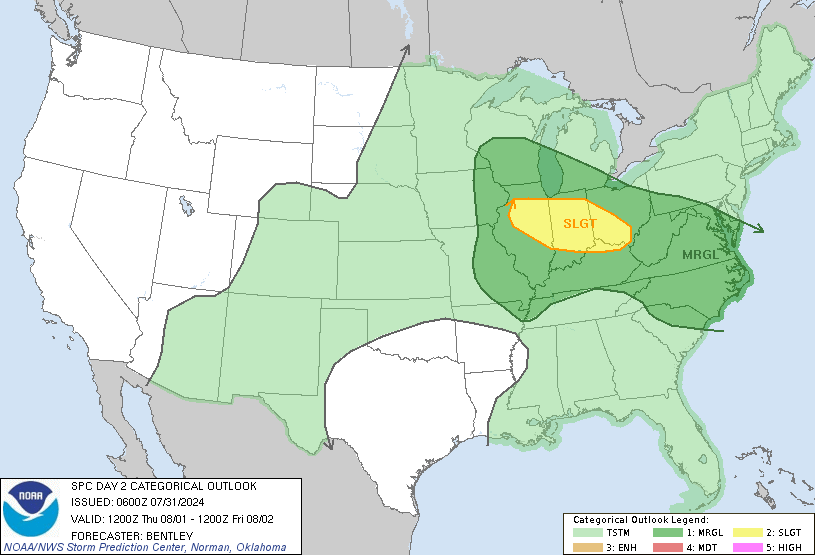
Tomorrow's Outlook
Tomorrow's Weather Outlook
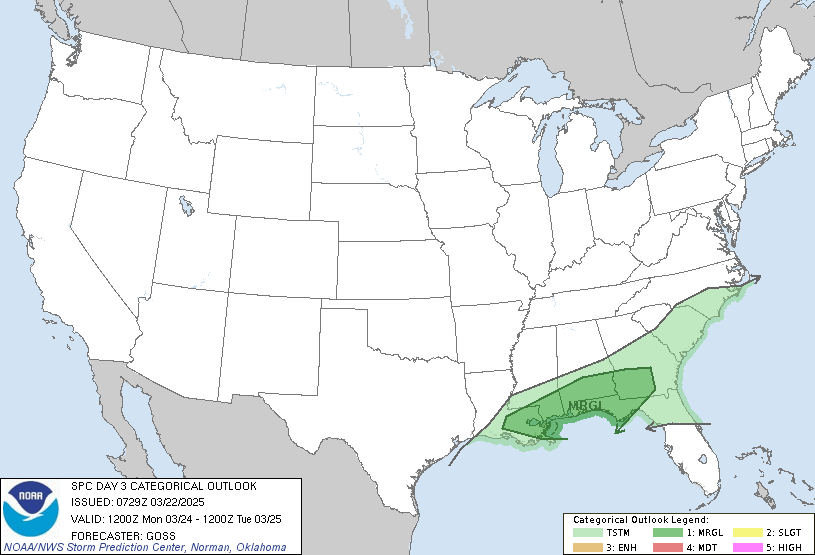
Day 3 Outlook
Day 3 Weather Outlook
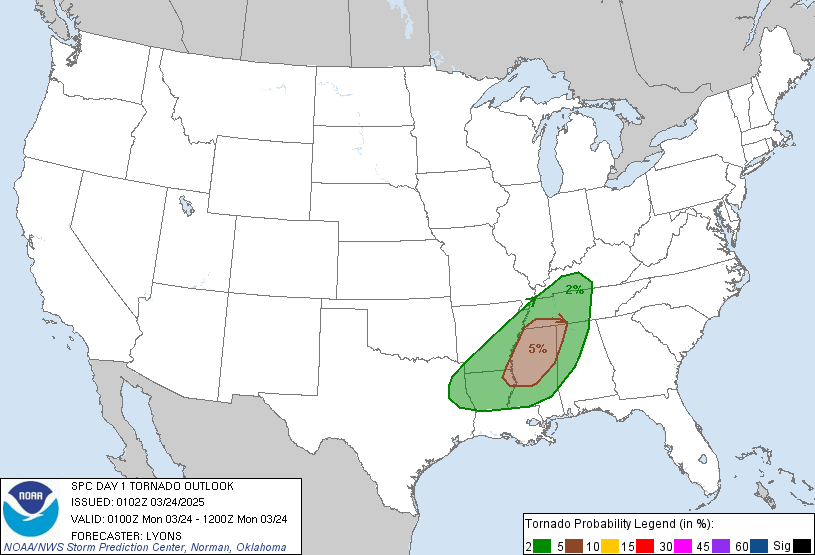
Tornado Threat
Current Tornado Threat
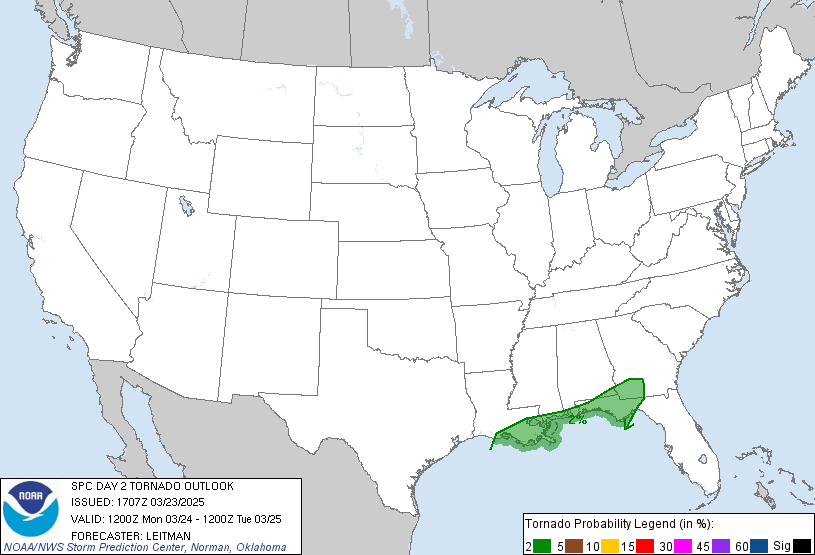
Day 2 Tornadoes
Tomorrow's Tornado Threat
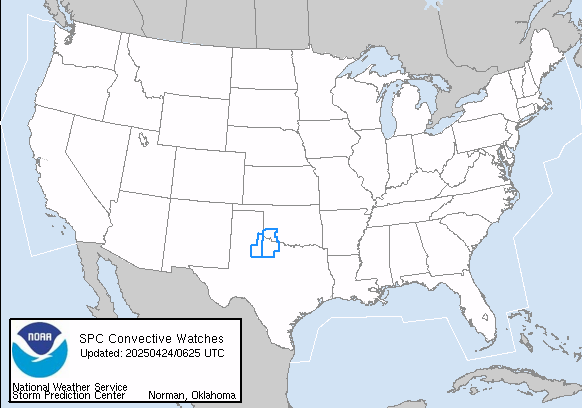
Current Watches
Current Severe Watches
 
Satellite Imagery
Tropics
North Atlantic
North Atlantic
Caribbean
Caribbean
Eastern US
Eastern US
Gulf of Mexico
Gulf of Mexico
Puerto Rico
Puerto Rico
Tropical Atlantic
Tropical Atlantic
North America
USA / Mexico
USA / Mexico
Southeast US
Southeast US
Great Lakes
Great Lakes
Central America
Central America
Southern MS Valley
Southern MS Valley
Eastern East Pacific
Mexico
Mexico
Northeast US
Northeast US
Northern Rockies
Northern Rockies
Pacific Northwest
Pacific Northwest
Pacific Southwest
Pacific Southwest
Southern Plains
Southern Plains
Southern Rockies
Southern Rockies
Upper MS Valley
Upper MS Valley
South America
Northern South America
Southern South America
 
Tropics Weather Maps
Ocean Graphics
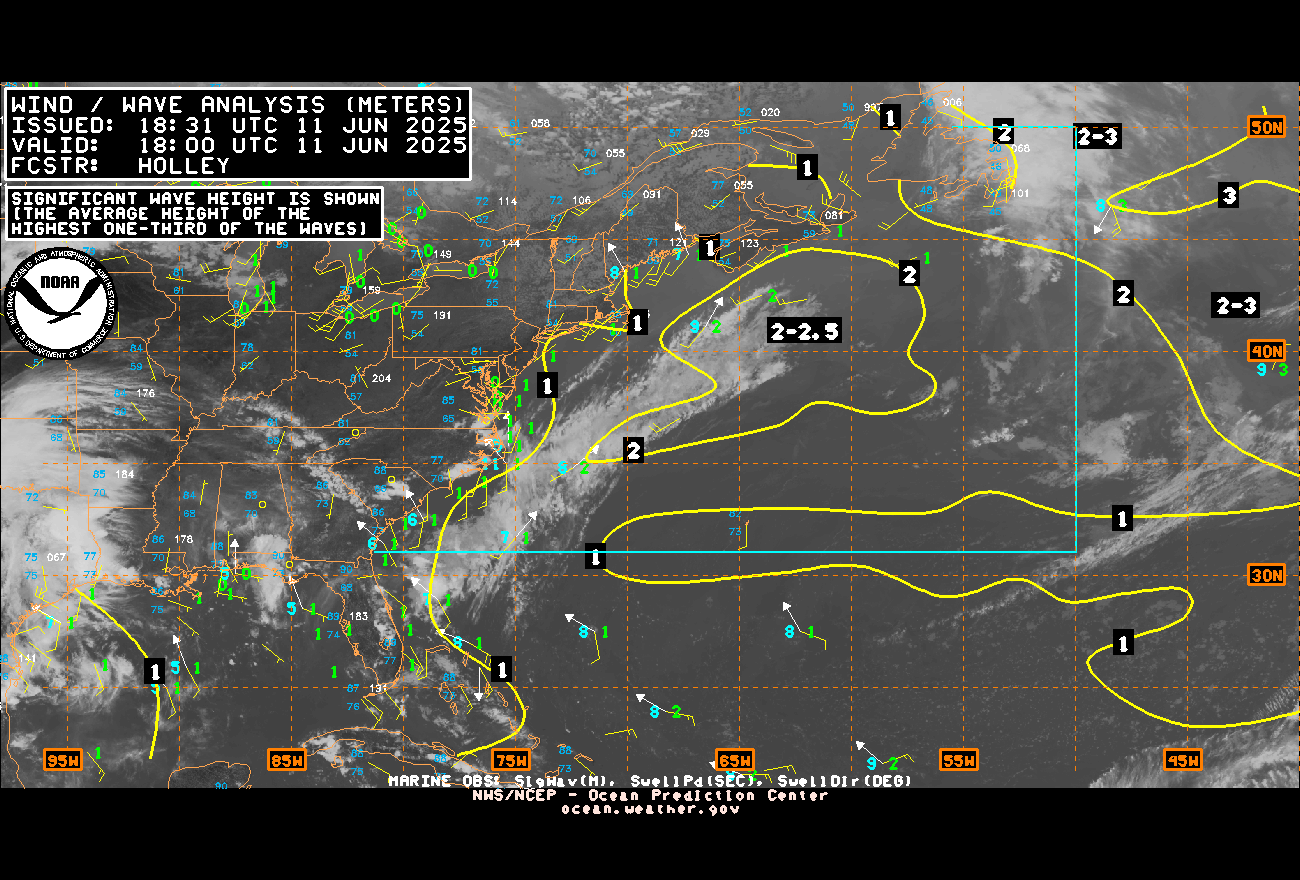
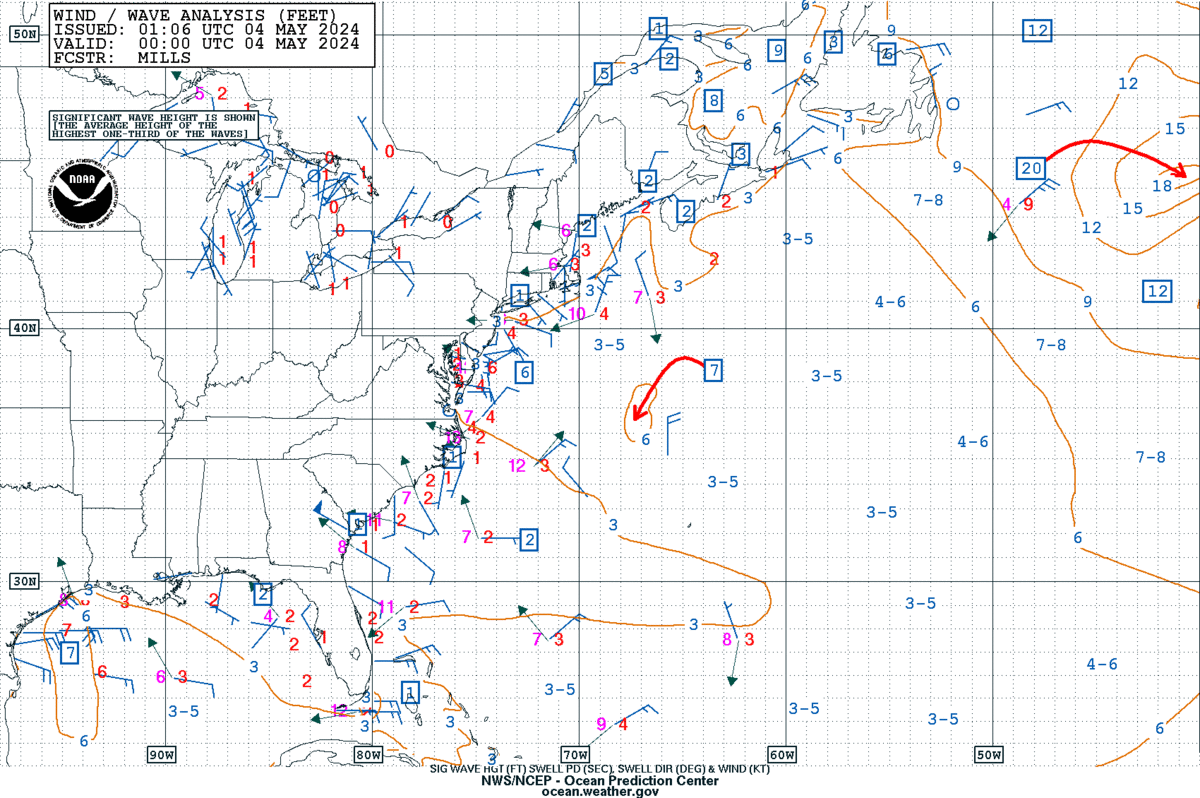
Wind / Wave Analysis
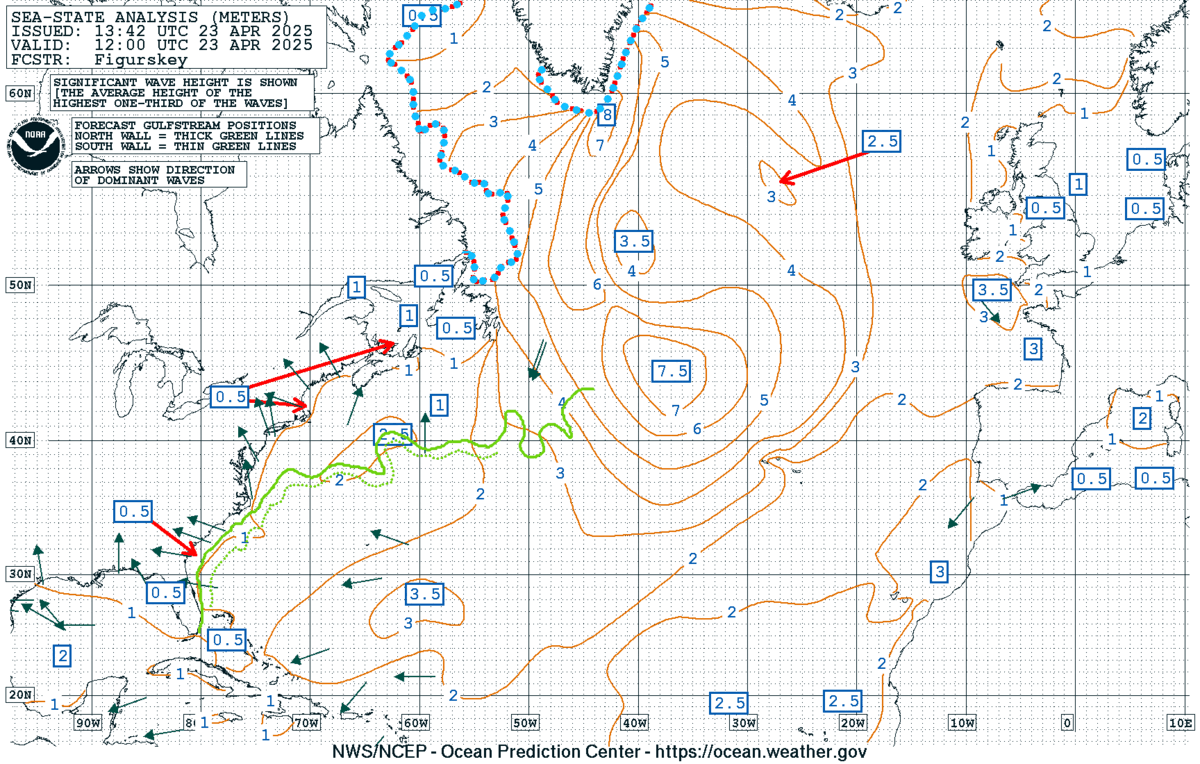
Sea-State Analysis
Sea-State Analysis
Surface Analysis Maps
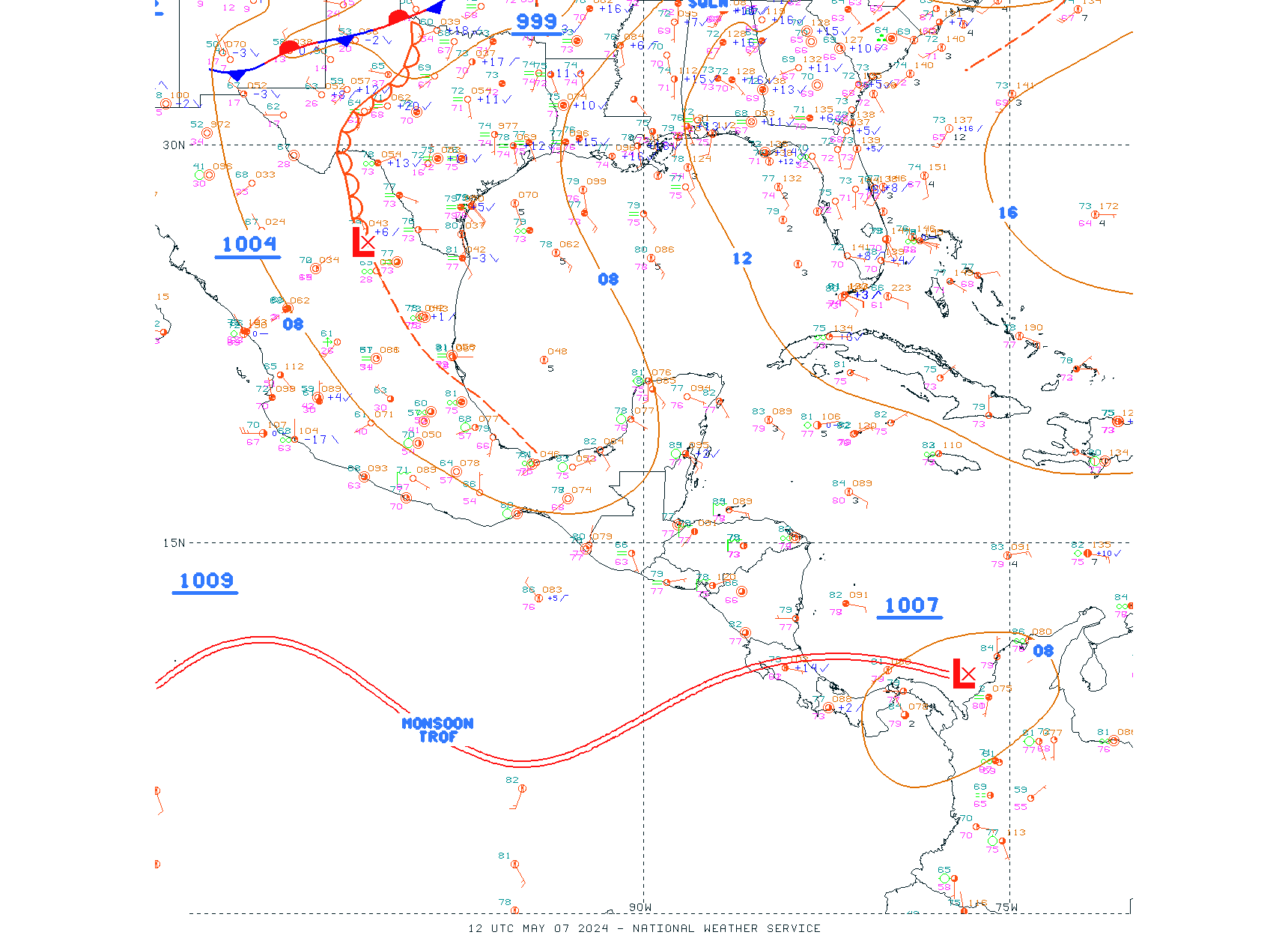
Gulf of Mexico
Gulf of Mexico
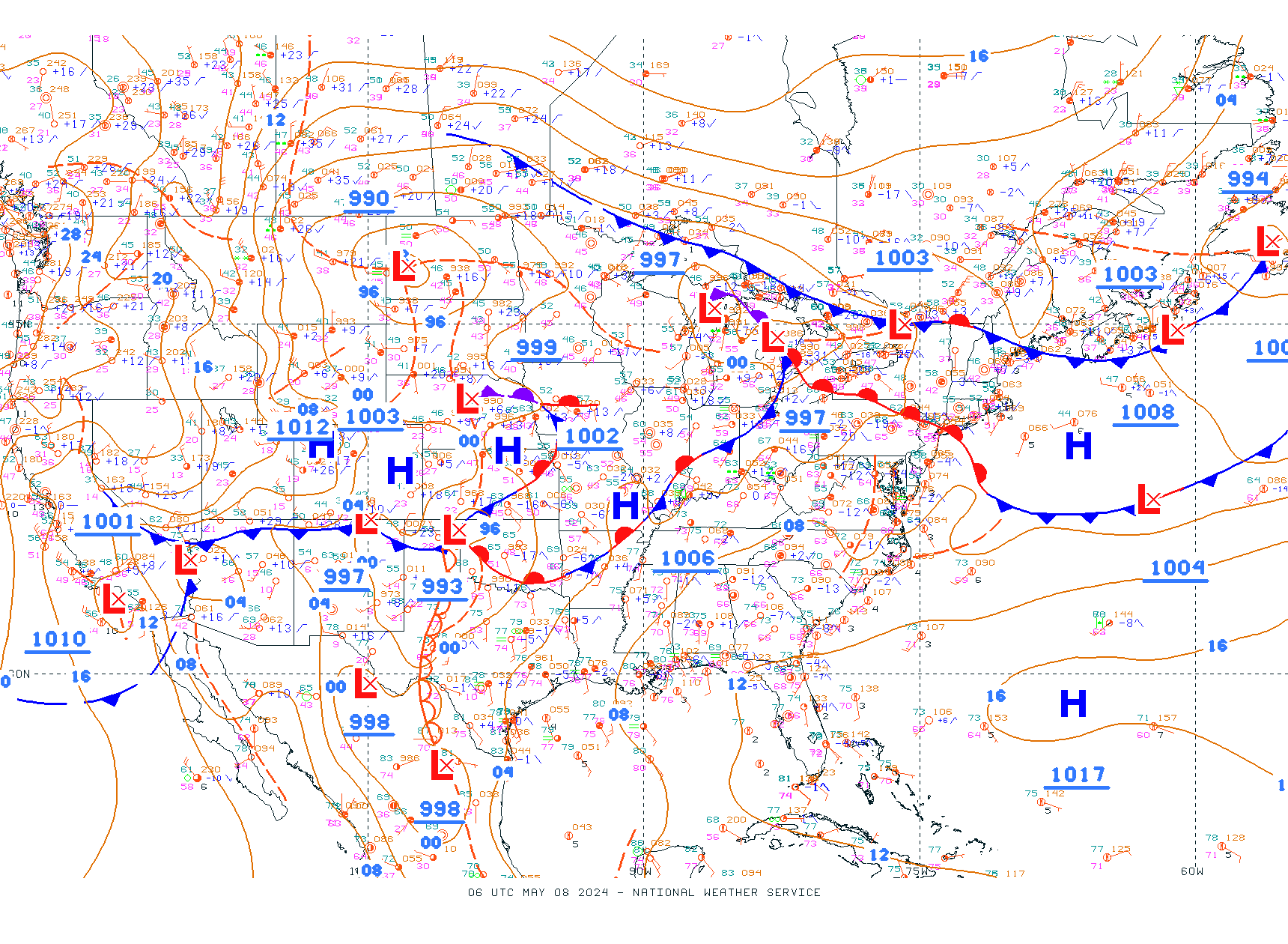
United States
United States
Atlantic Ocean Difax
Full Atlantic Ocean
Full Atlantic Ocean
East Coast
East Coast
CIMSS Tropical Products
Upper Level Winds
Upper Level Winds
Lower Level Winds
Lower Level Winds
Wind Shear
Wind Shear
Shear Tendency
Shear Tendency
Upper Divergence
Upper Divergence
Lower Convergence
Lower Convergence
Mid-Level Wind Shear
Water Vapor
Water Vapor
Infrared
Infrared
Saharan Dust
Saharan Dust
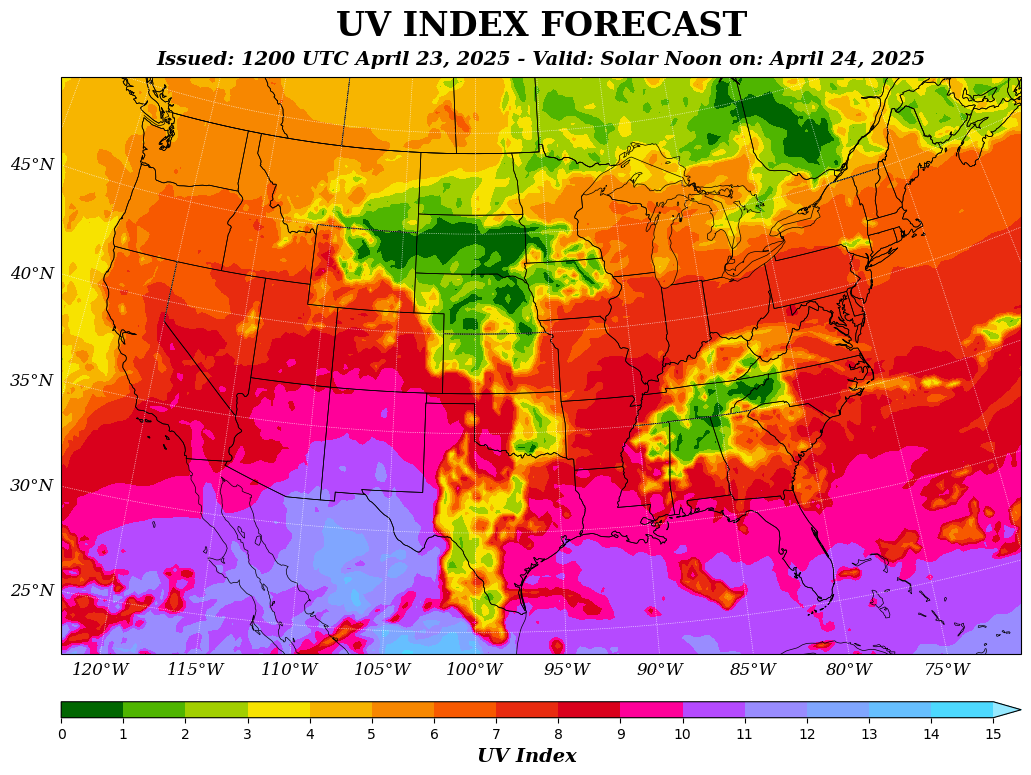
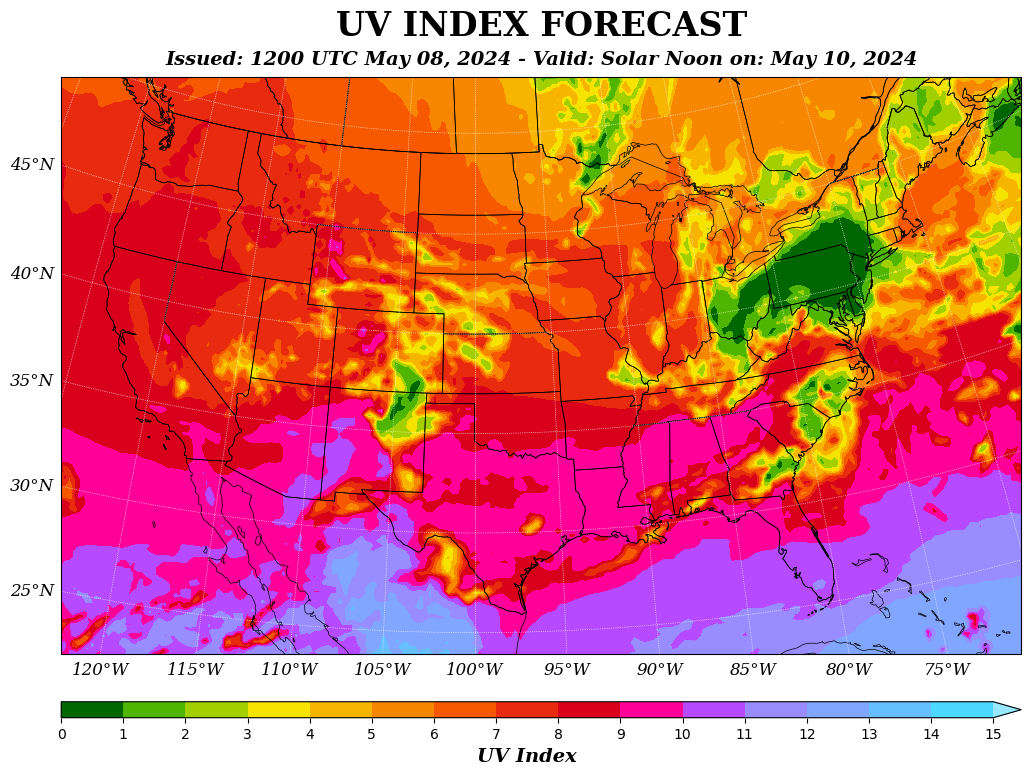
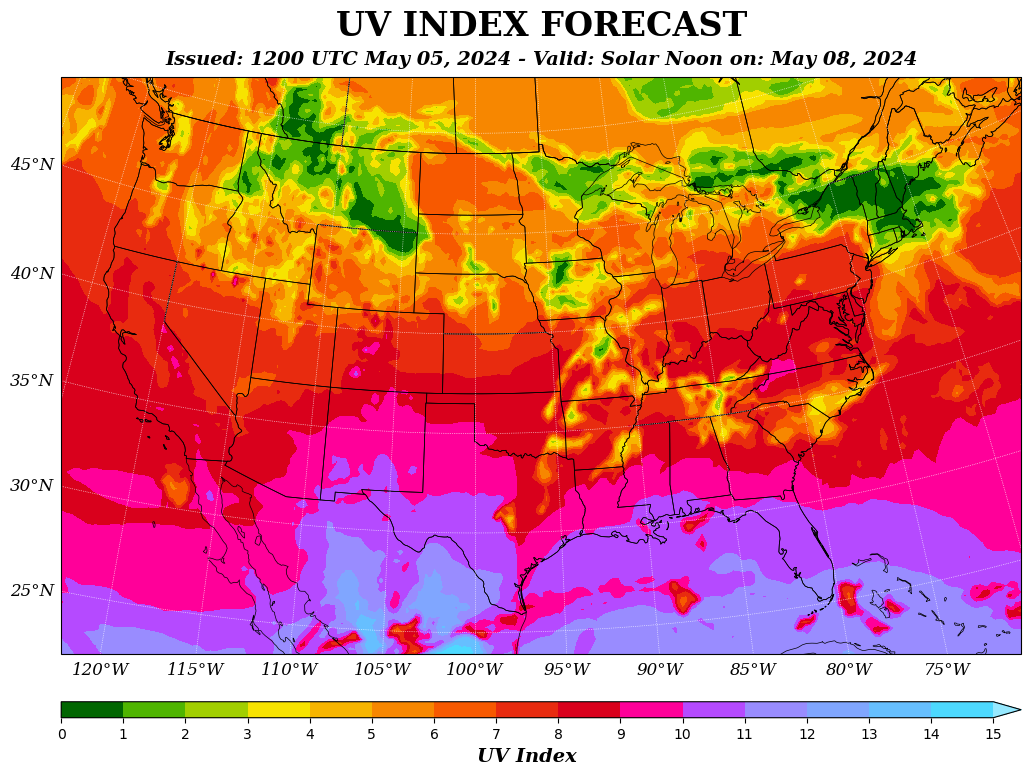
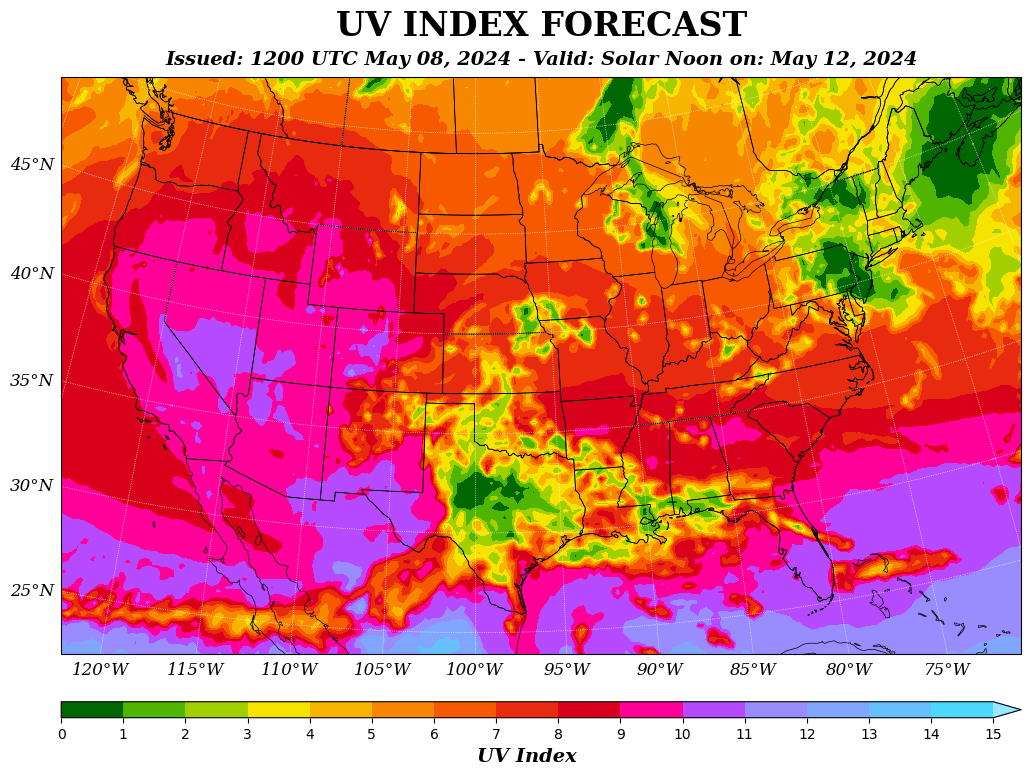
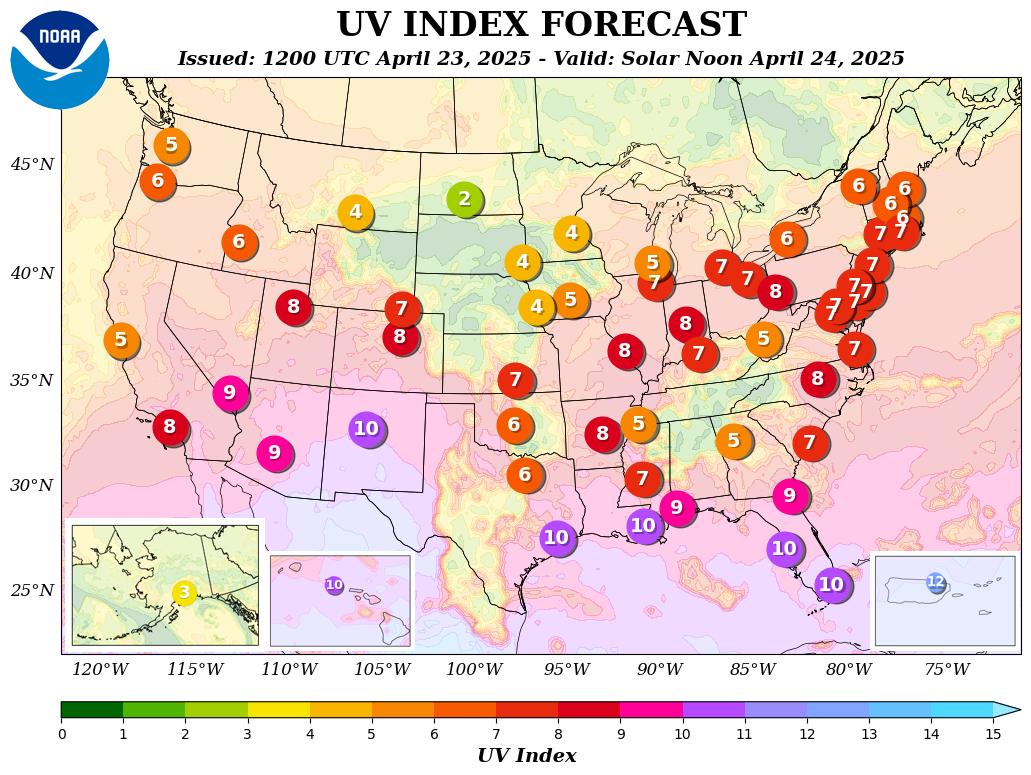
UV Index Forecasts
Today's UV Forecast
Today's UV Forecast
Day 2 UV Forecast
Day 2 UV Forecast
Day 3 UV Forecast
Day 3 UV Forecast
Day 4 UV Forecast
Day 4 UV Forecast
UV Index By City
UV Index By City

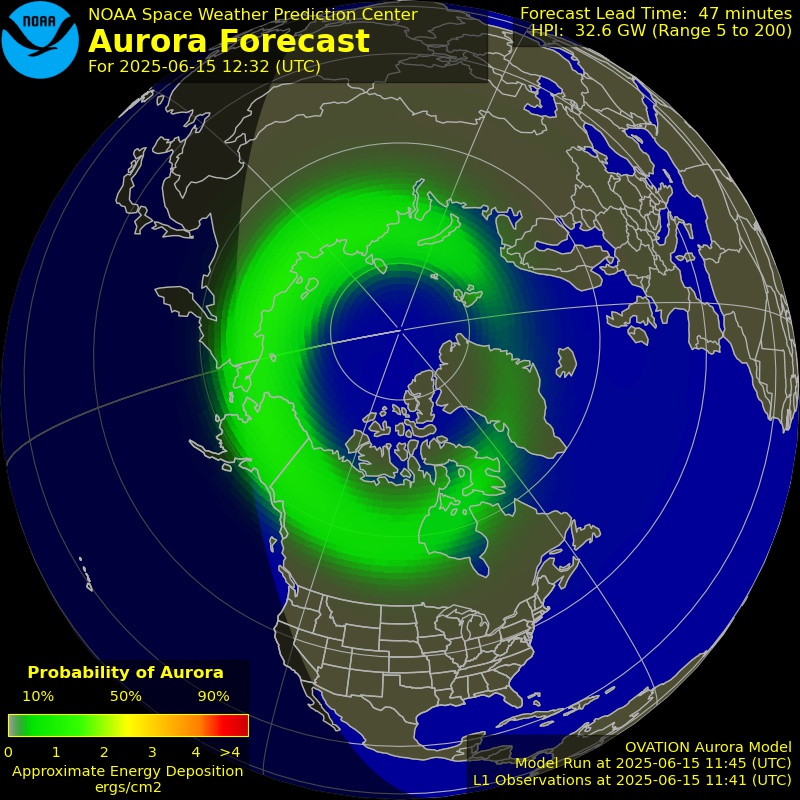
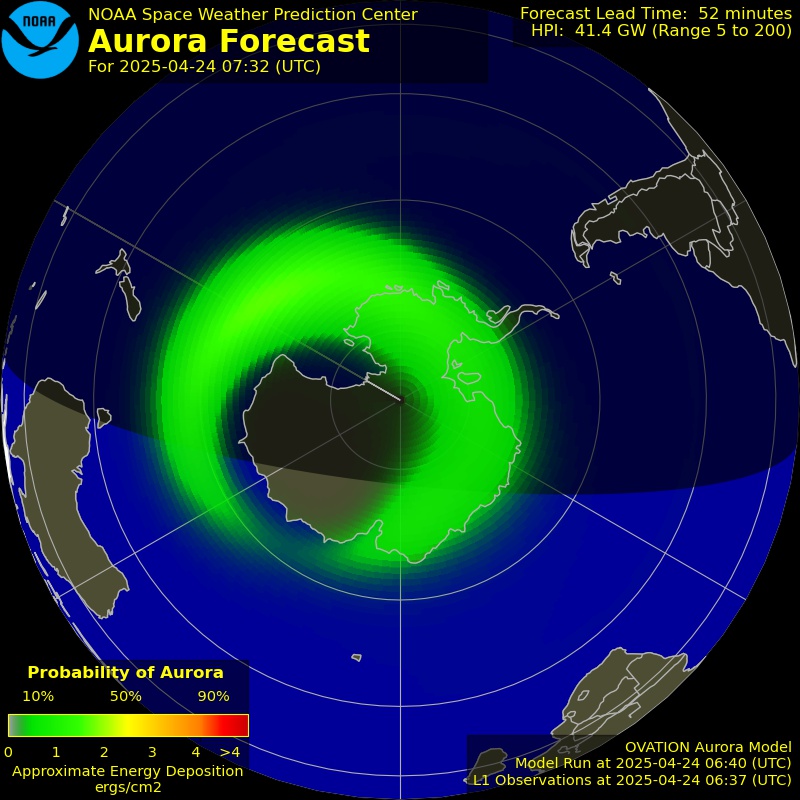
Space Weather
Northern Aurora Forecast
Southern Aurora Forecast

 
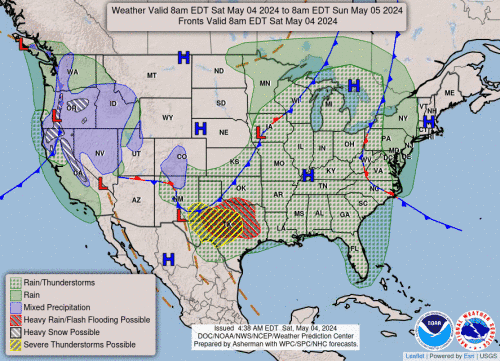
USA Weather Maps
 
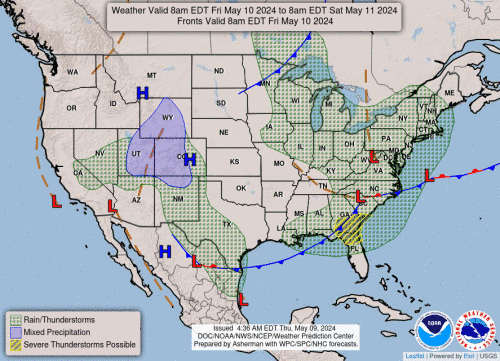
Day 1 US Weather Map
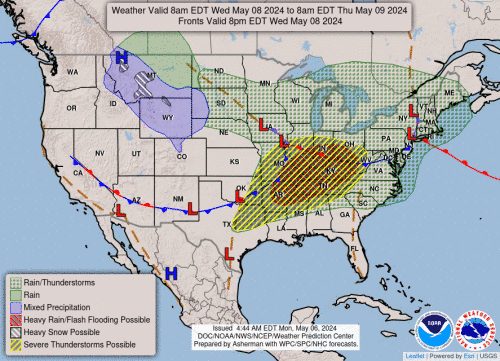
Day 2 US Weather Map
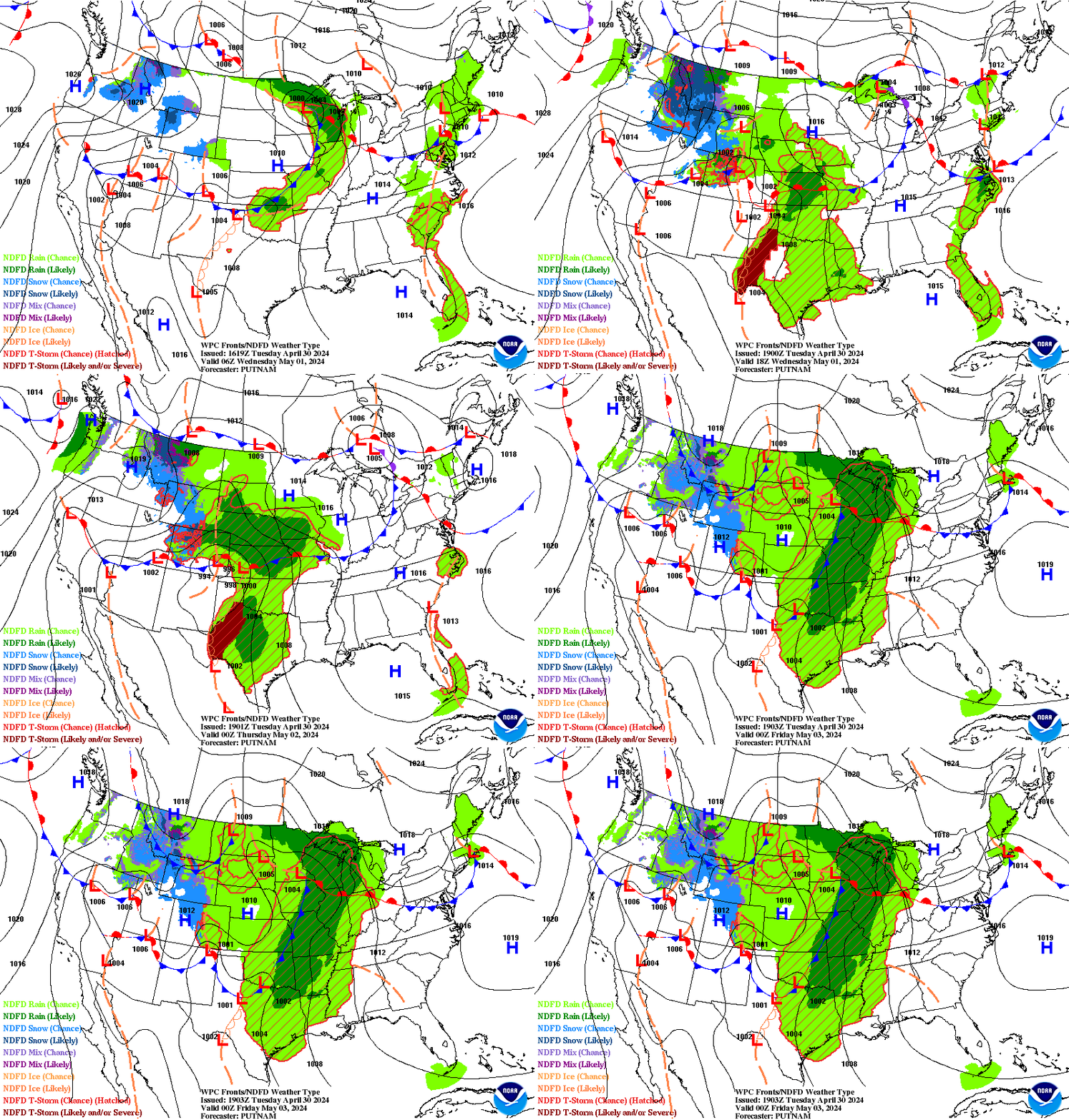
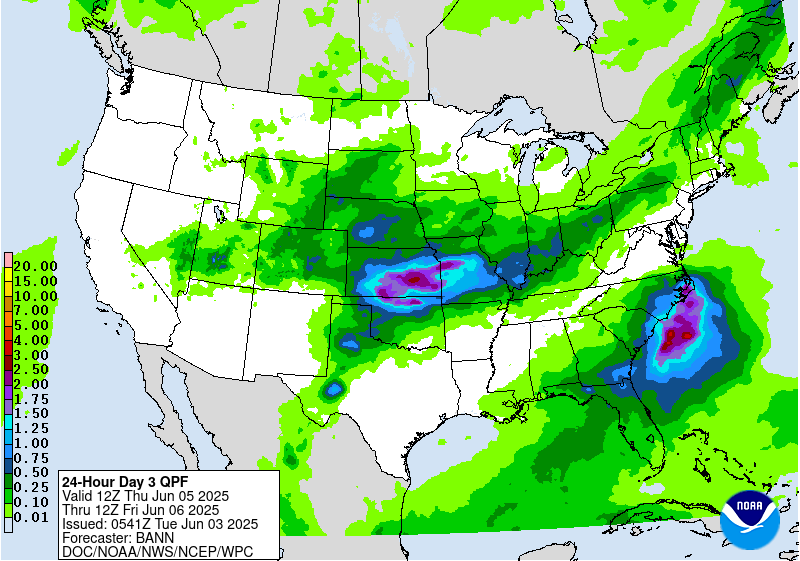
Day 3 US Weather Map
US Short Range Forecasts
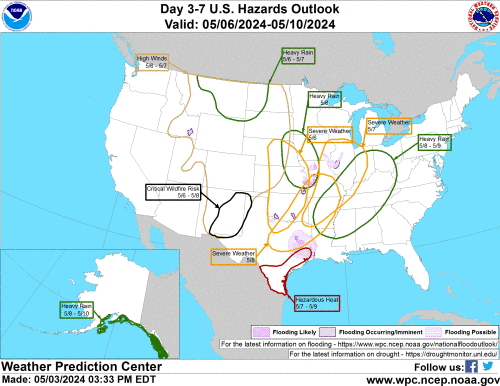
Day 3-7 Hazards
Day 3-7 Hazards
Current US Weather
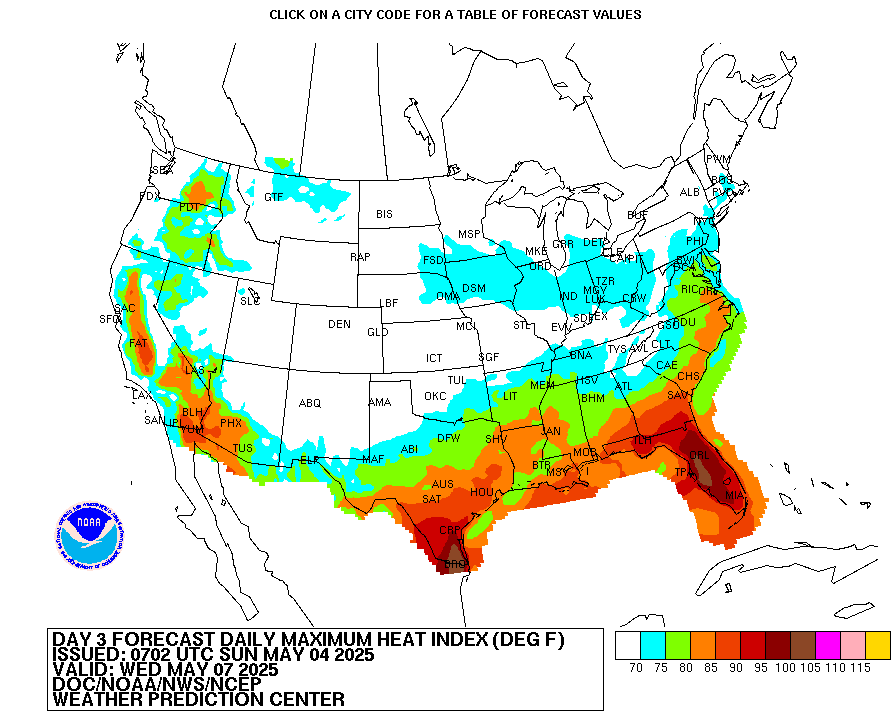
3-Day Heat Index
3-Day Heat Index
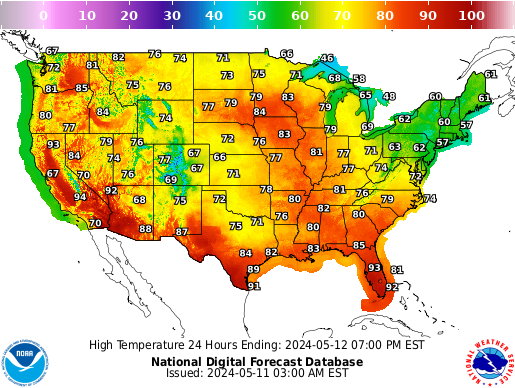
High Temps Today
High Temps Today
High Temps Tomorrow
High Temps Tomorrow
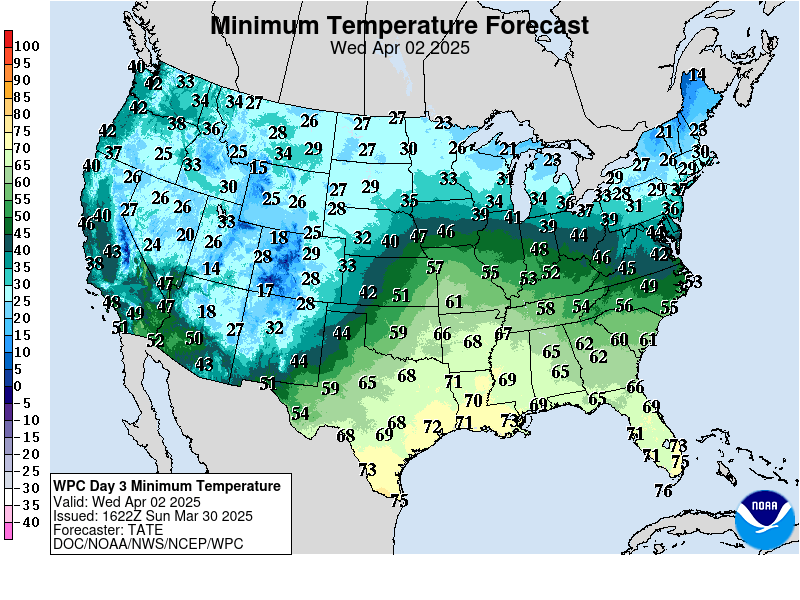
Day 3 Minimum Temperature
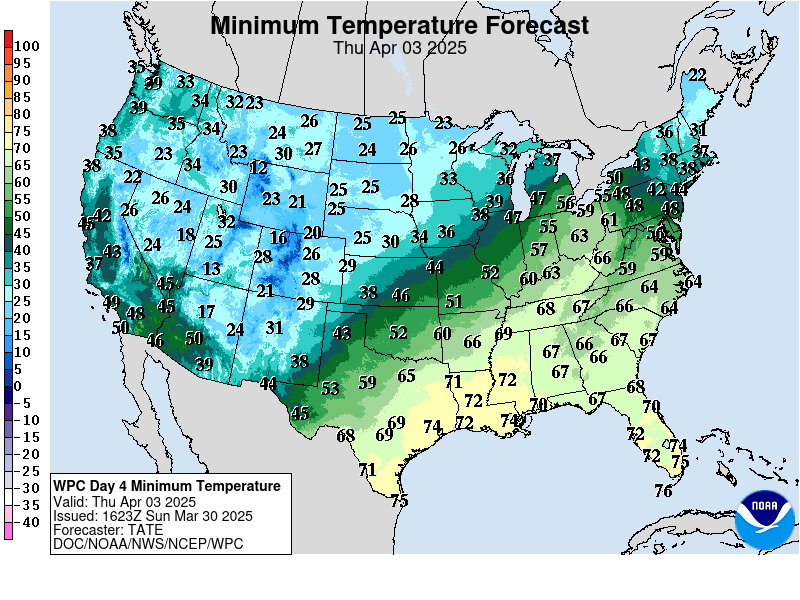
Day 4 Minimum Temperature
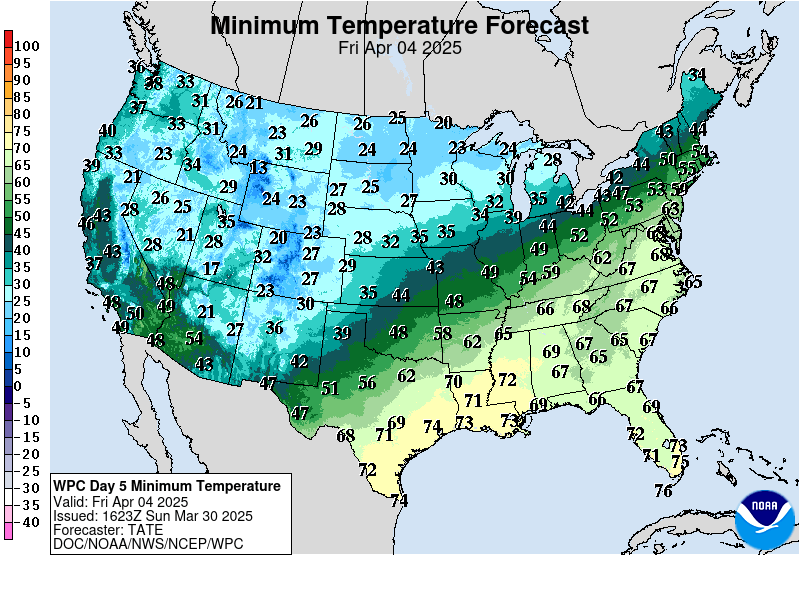
Day 5 Minimum Temperature
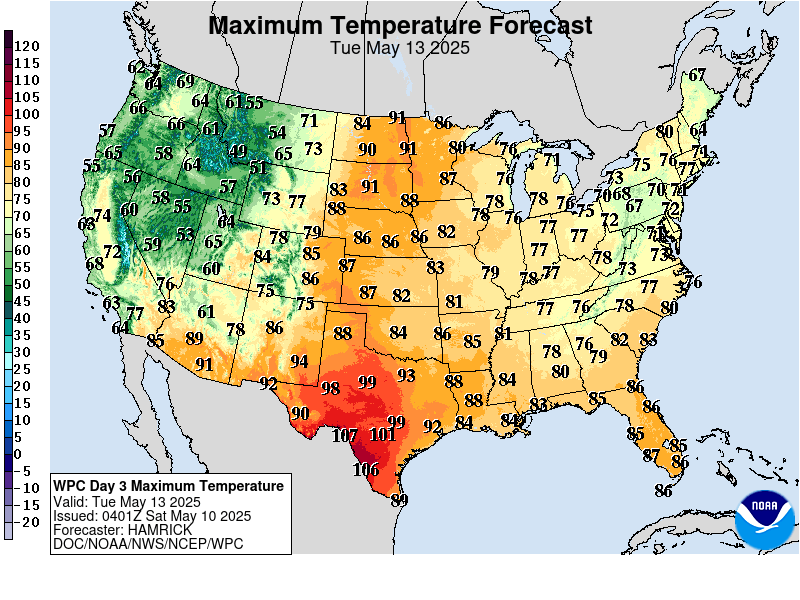
Day 3 Maximum Temperature
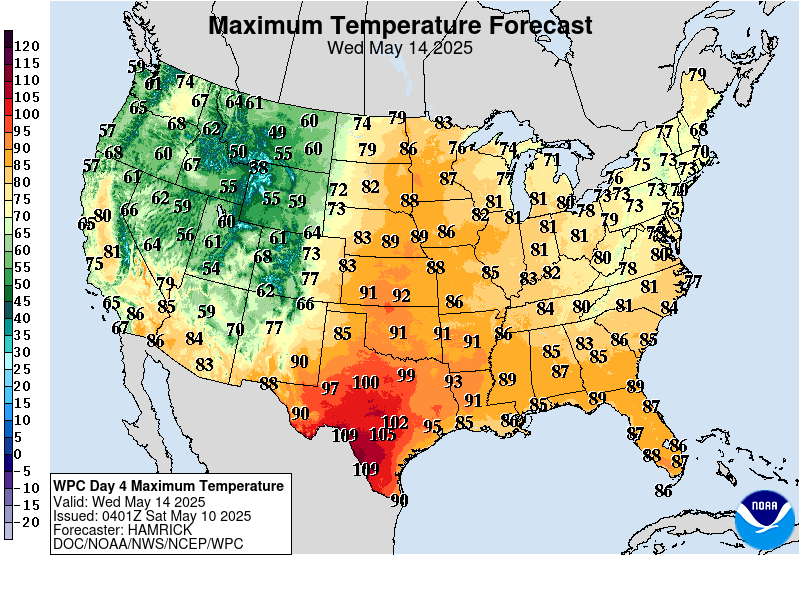
Day 4 Maximum Temperature
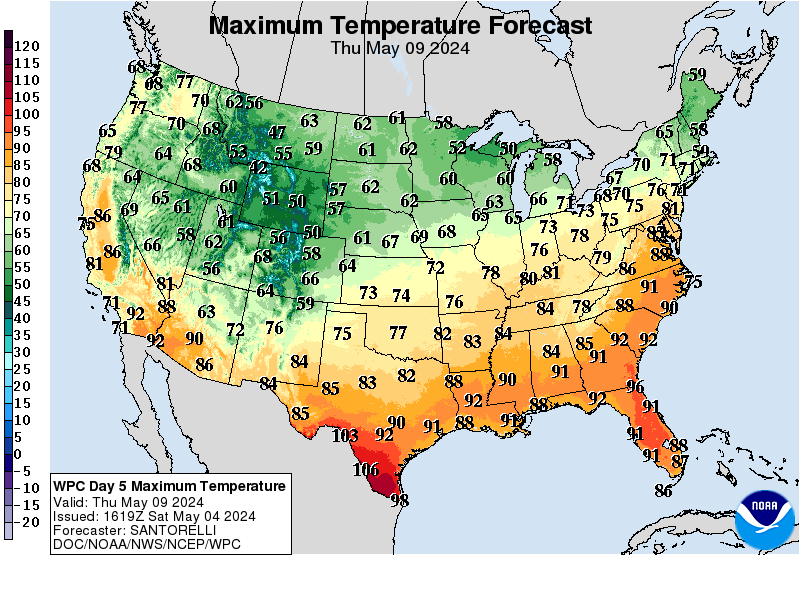
Day 5 Maximum Temperature
Temperature
Temperature
Pressure
Pressure
Humidity
Humidity
Wind Chill / Heat Index
Dewpoints
Dewpoints
Wind Speed
Wind Speed
US Snow Forecasts
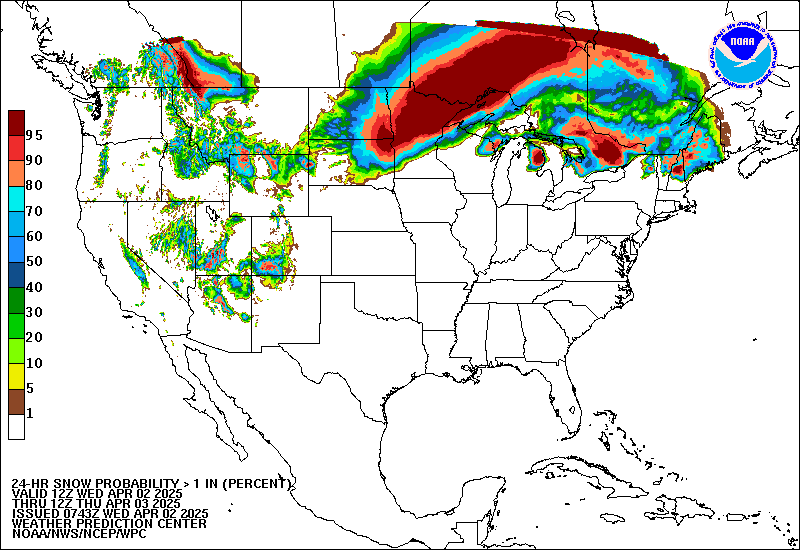
Day 1 Snow Probability
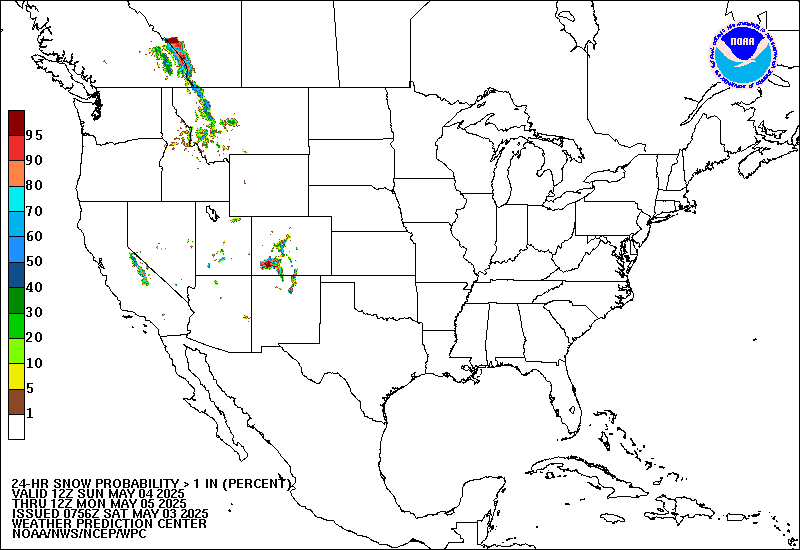
Day 2 Snow Probability
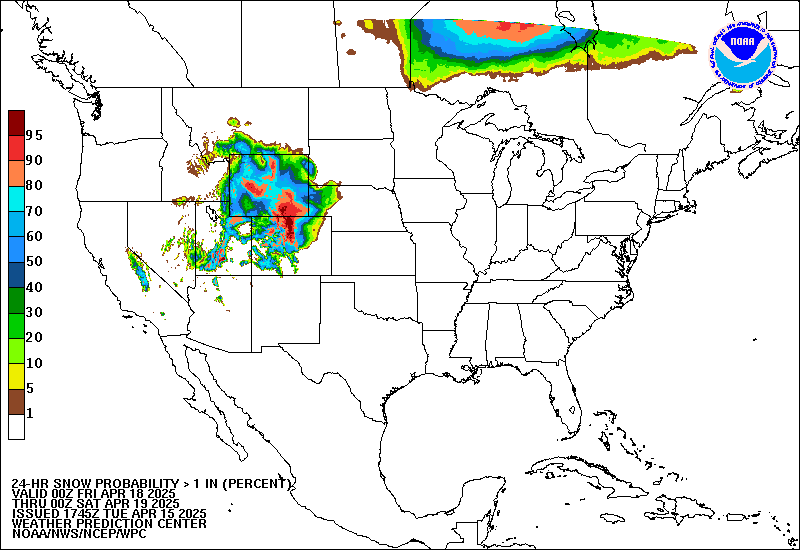
Day 3 Snow Probability
Climate Forecasts
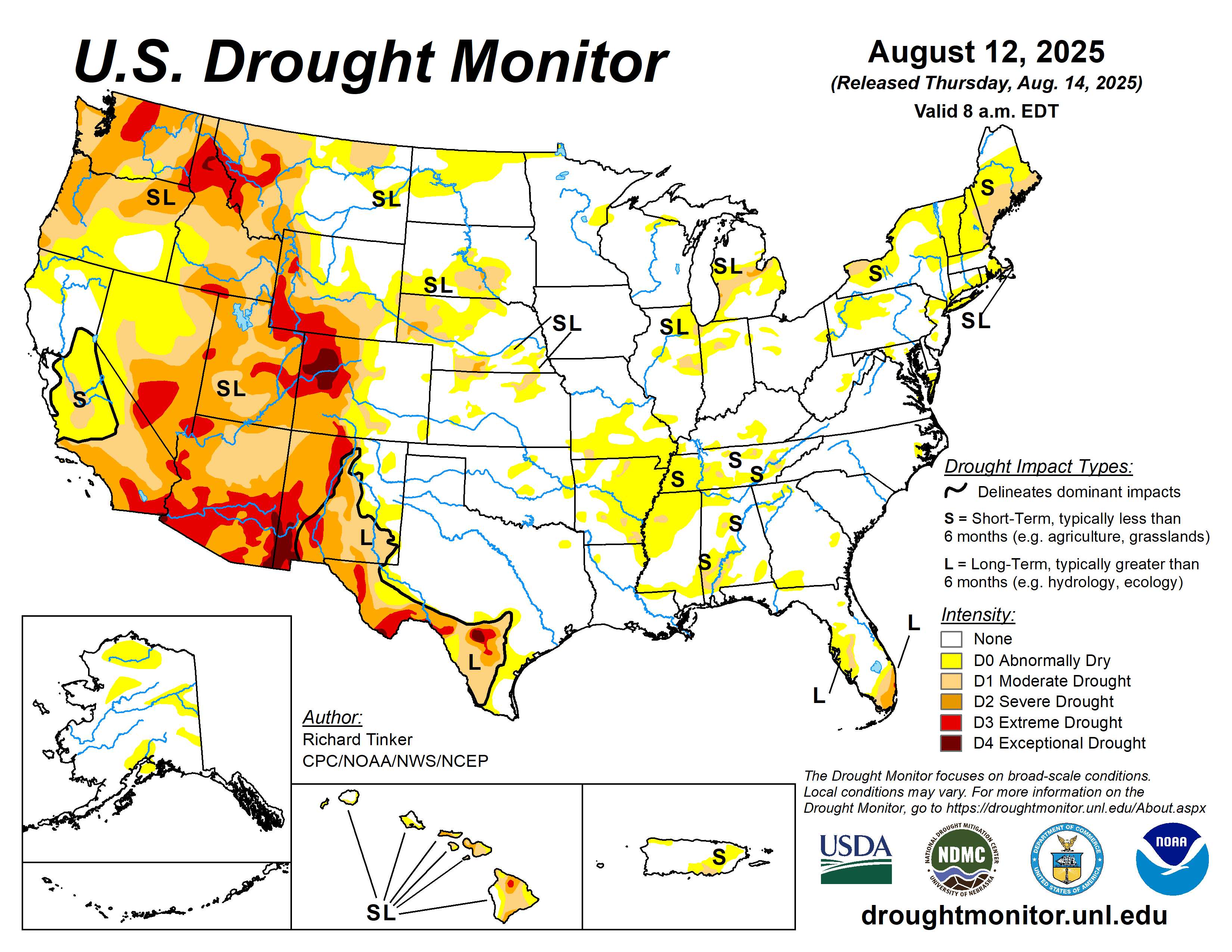
Drought Monitor
Drought Monitor
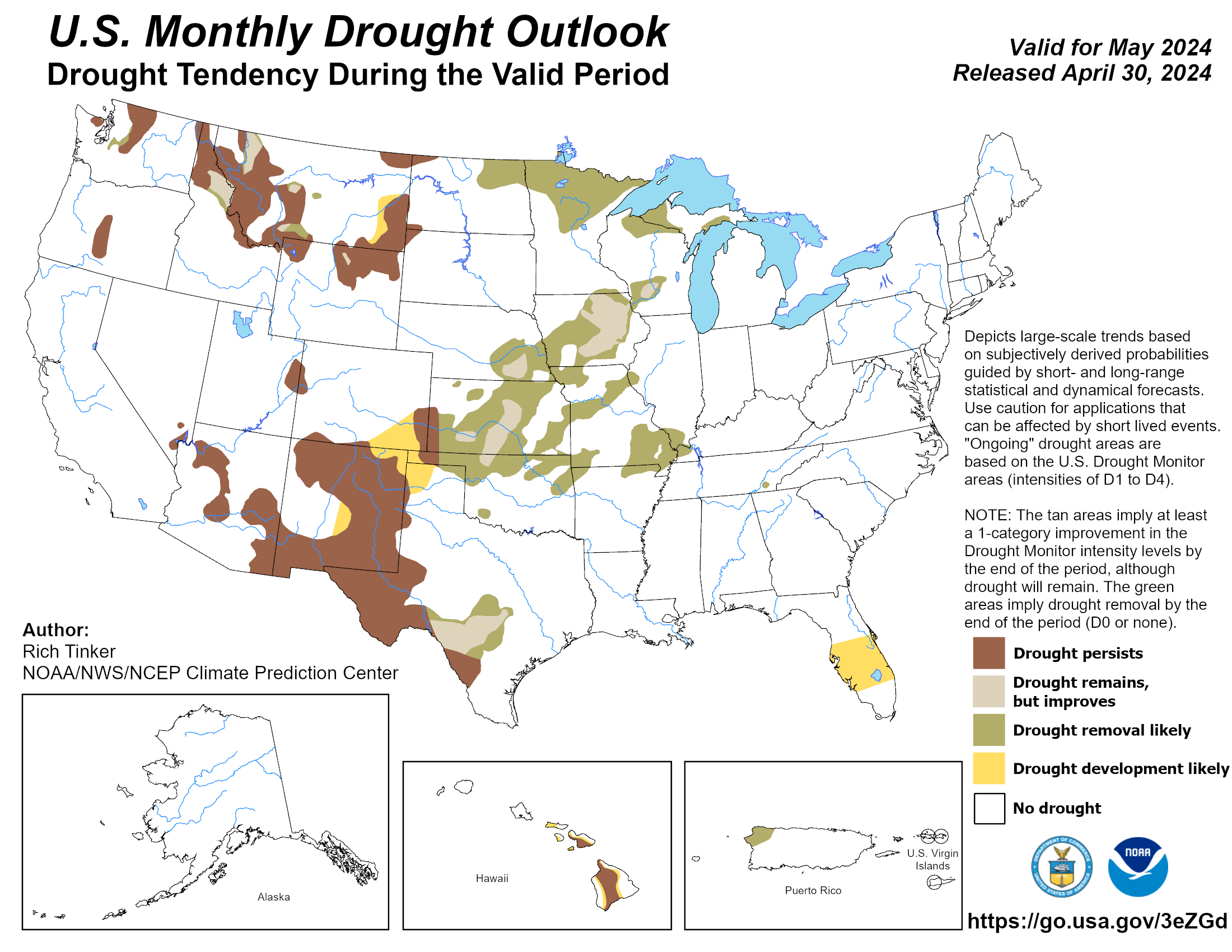
Monthly Drought Outlook
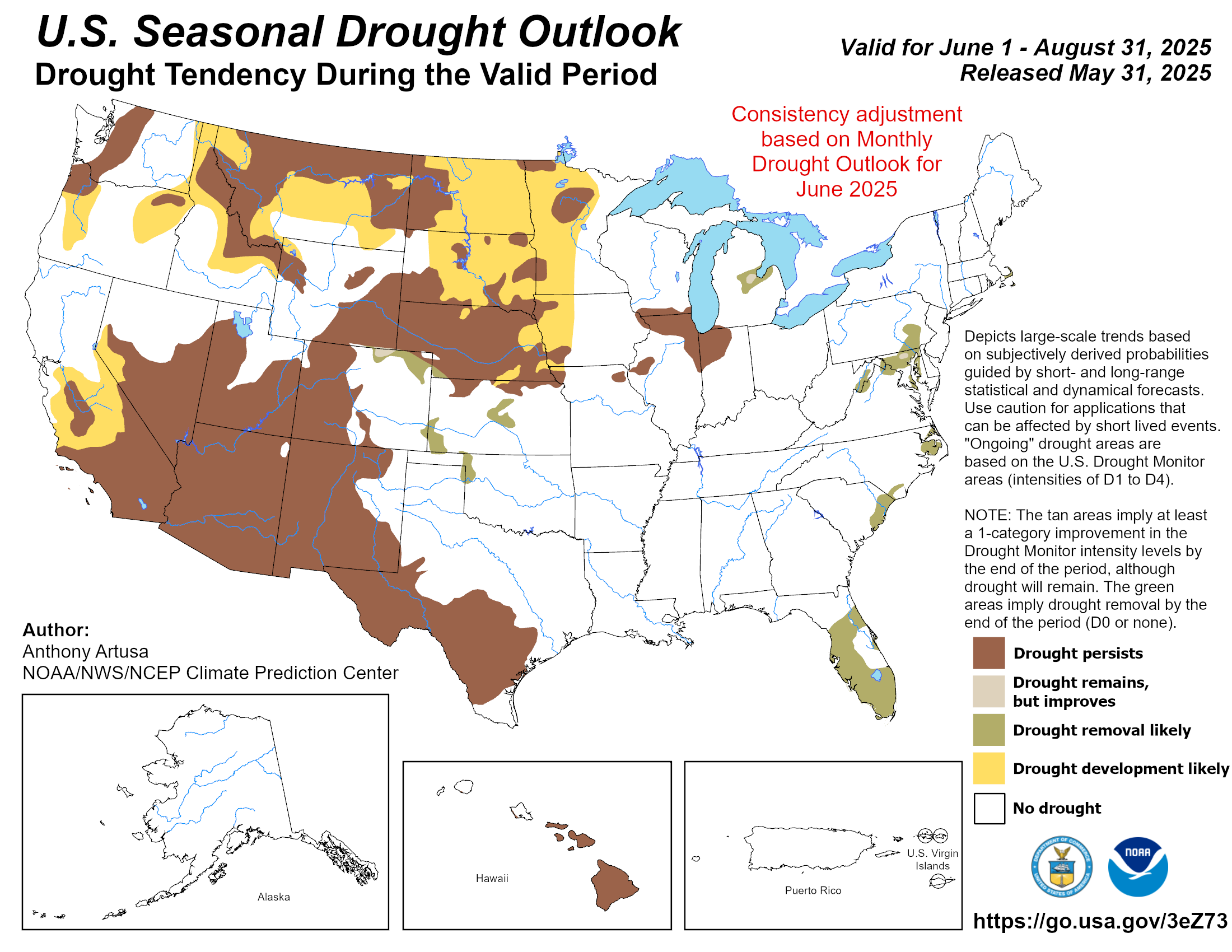
Seasonal Drought Outlook
Future Temperature Outlooks
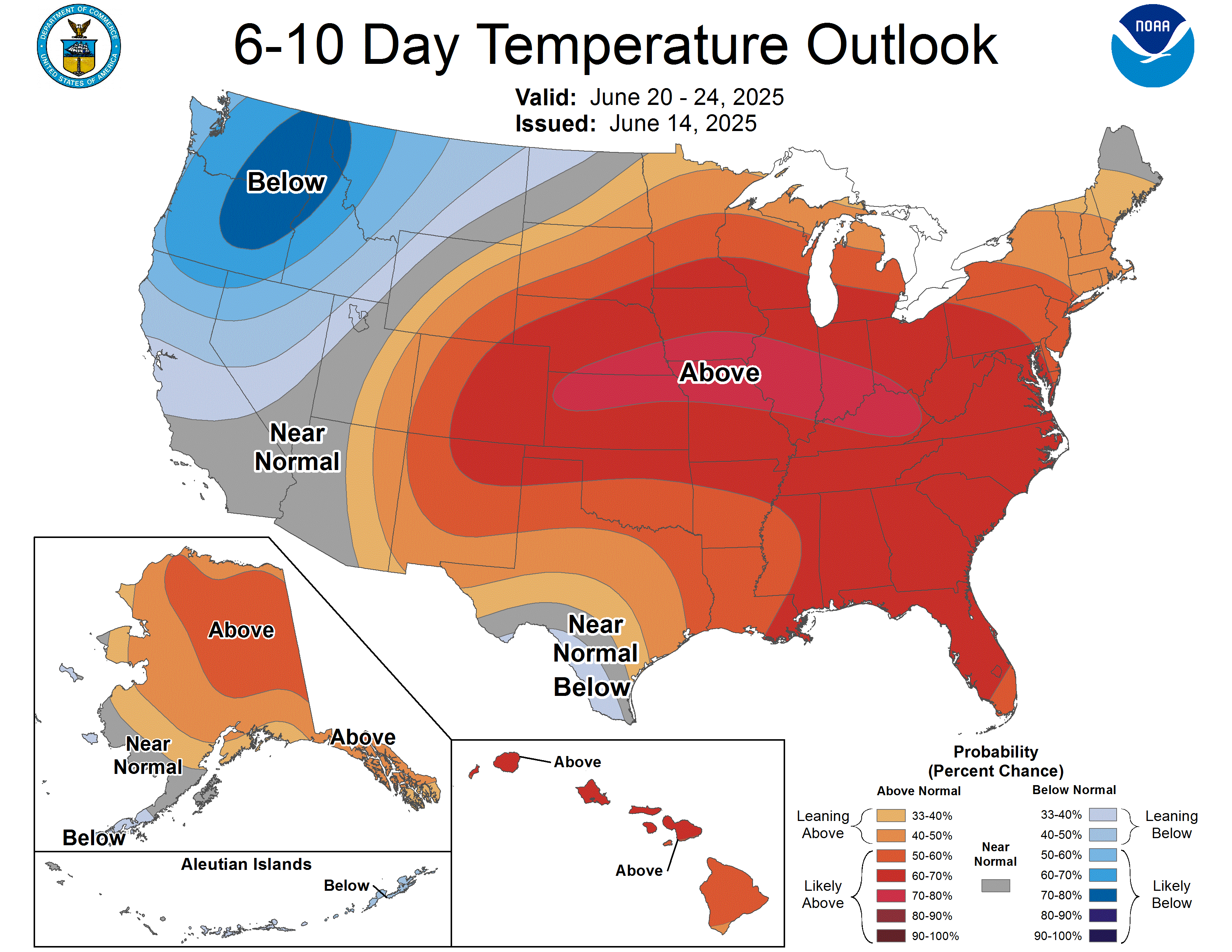
6-10 Day Outlook
6-10 Day Outlook
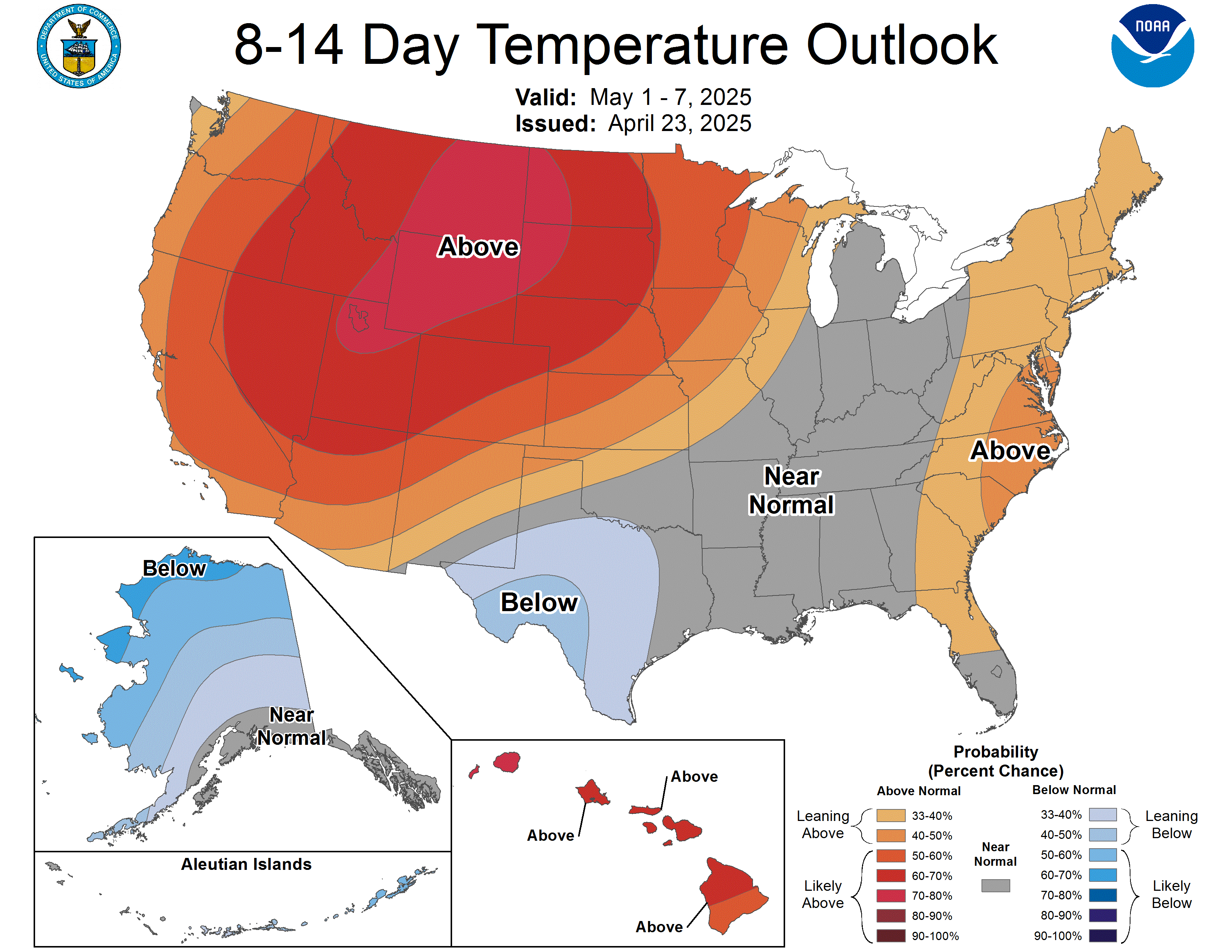
8-14 Day Outlook
8-14 Day Outlook
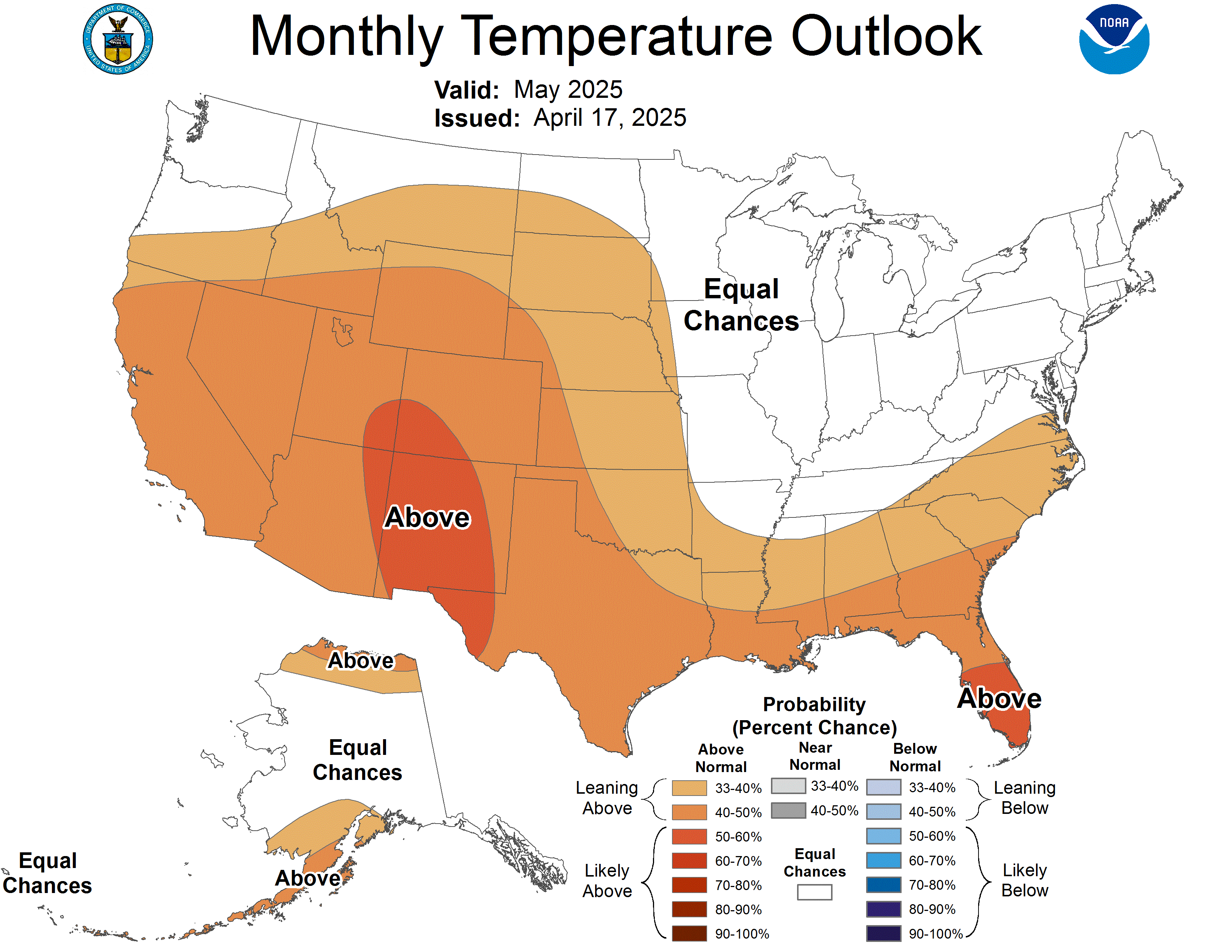
One Month Outlook
One Month Outlook
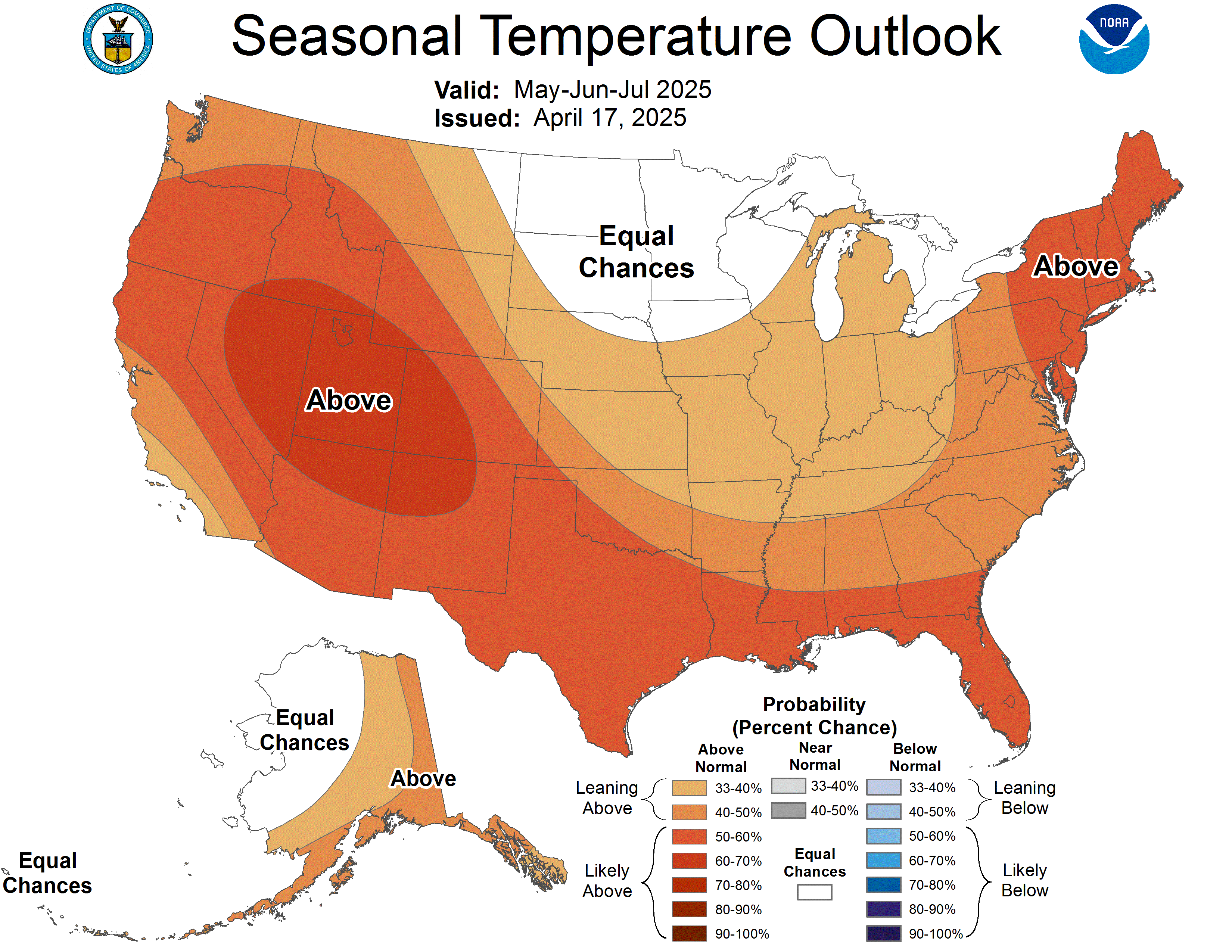
Three Month Outlook
Three Month Outlook
Future Precipitation Outlooks
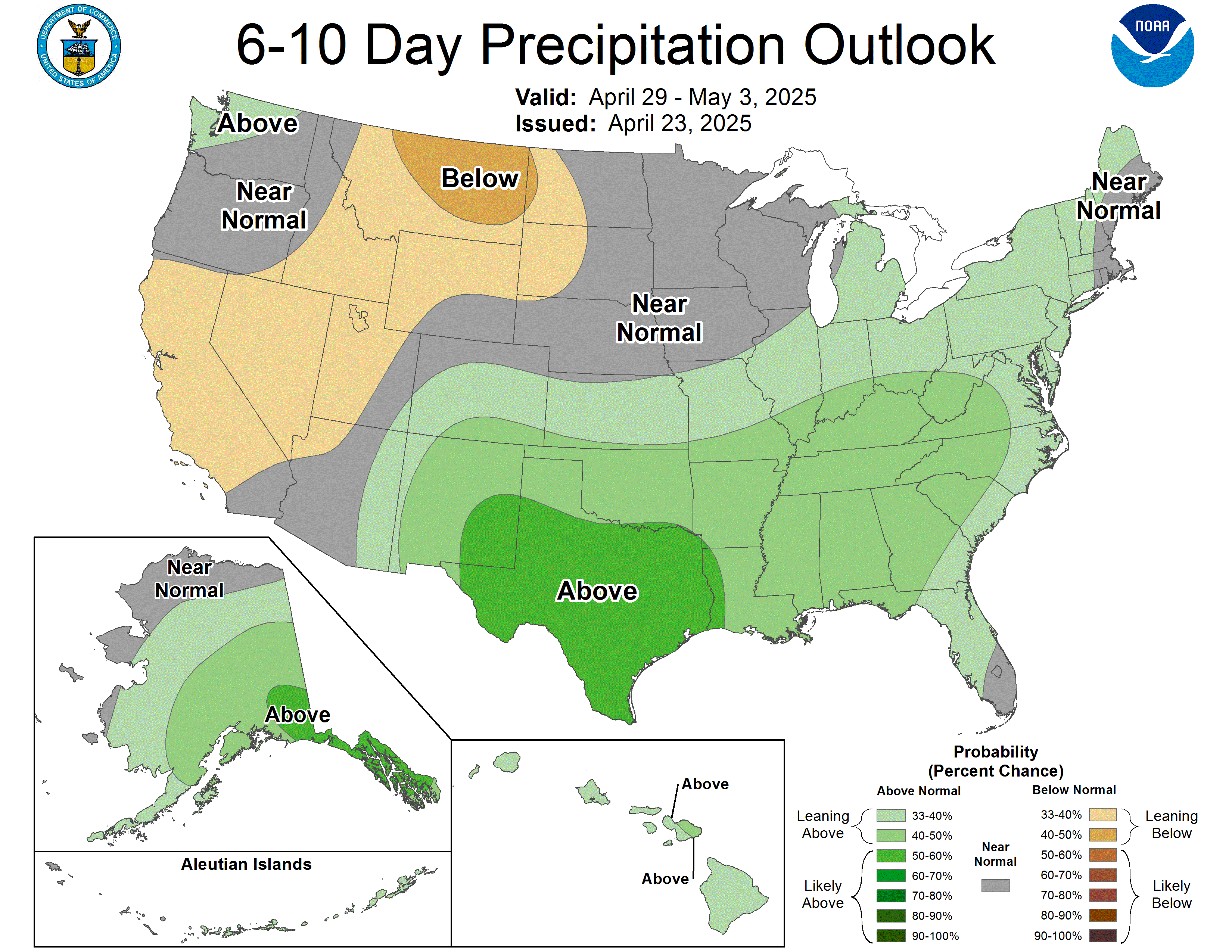
6-10 Day Outlook
6-10 Day Outlook
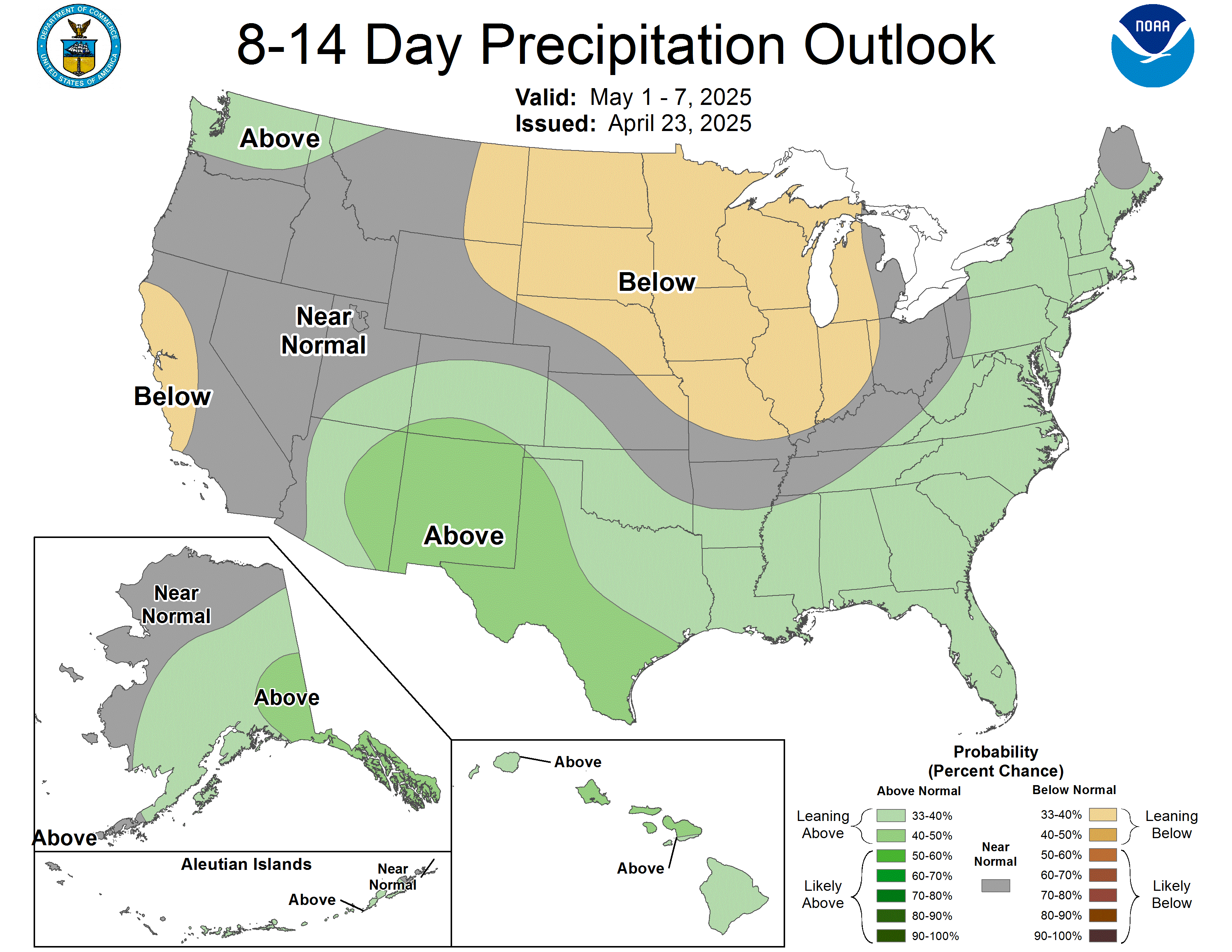
8-14 Day Outlook
8-14 Day Outlook
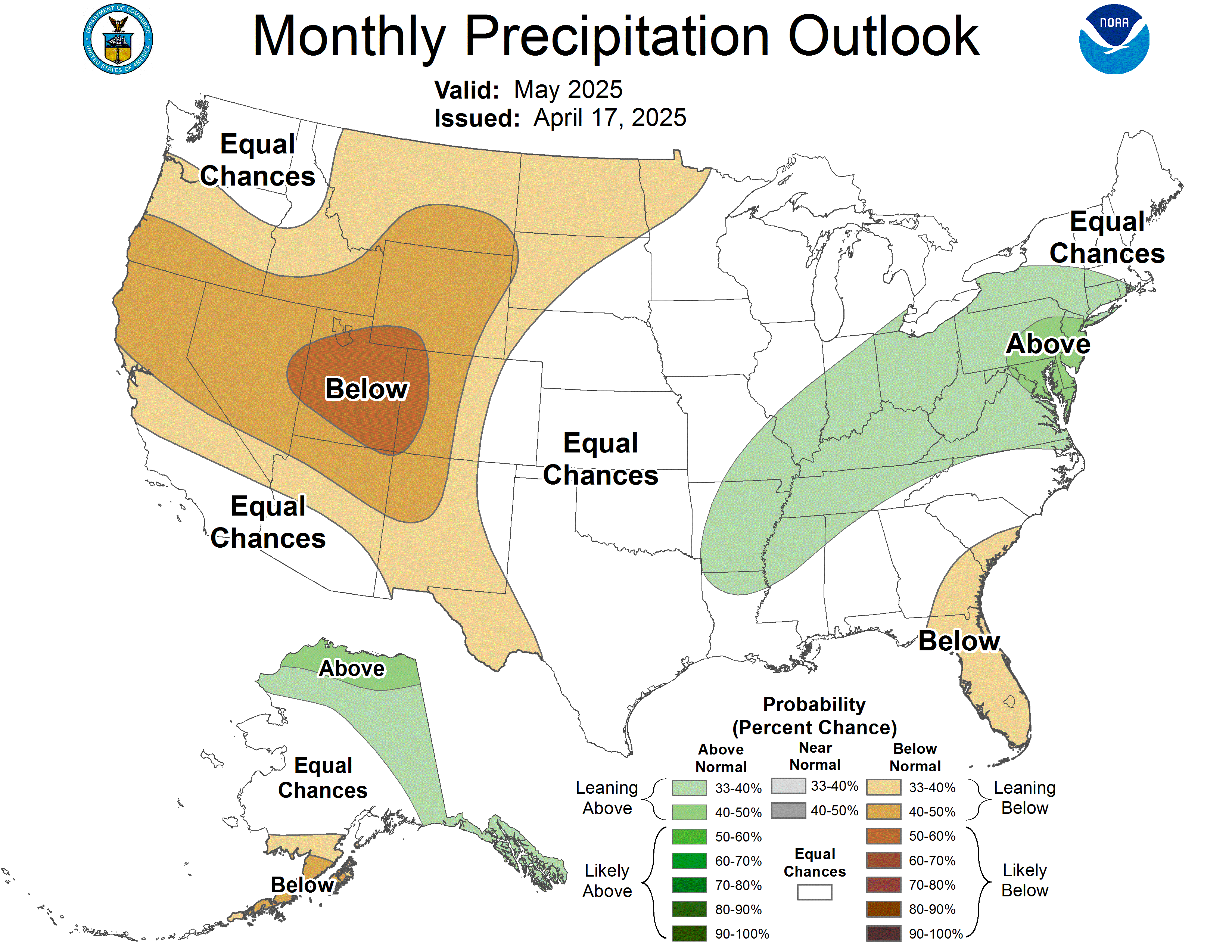
One Month Outlook
One Month Outlook
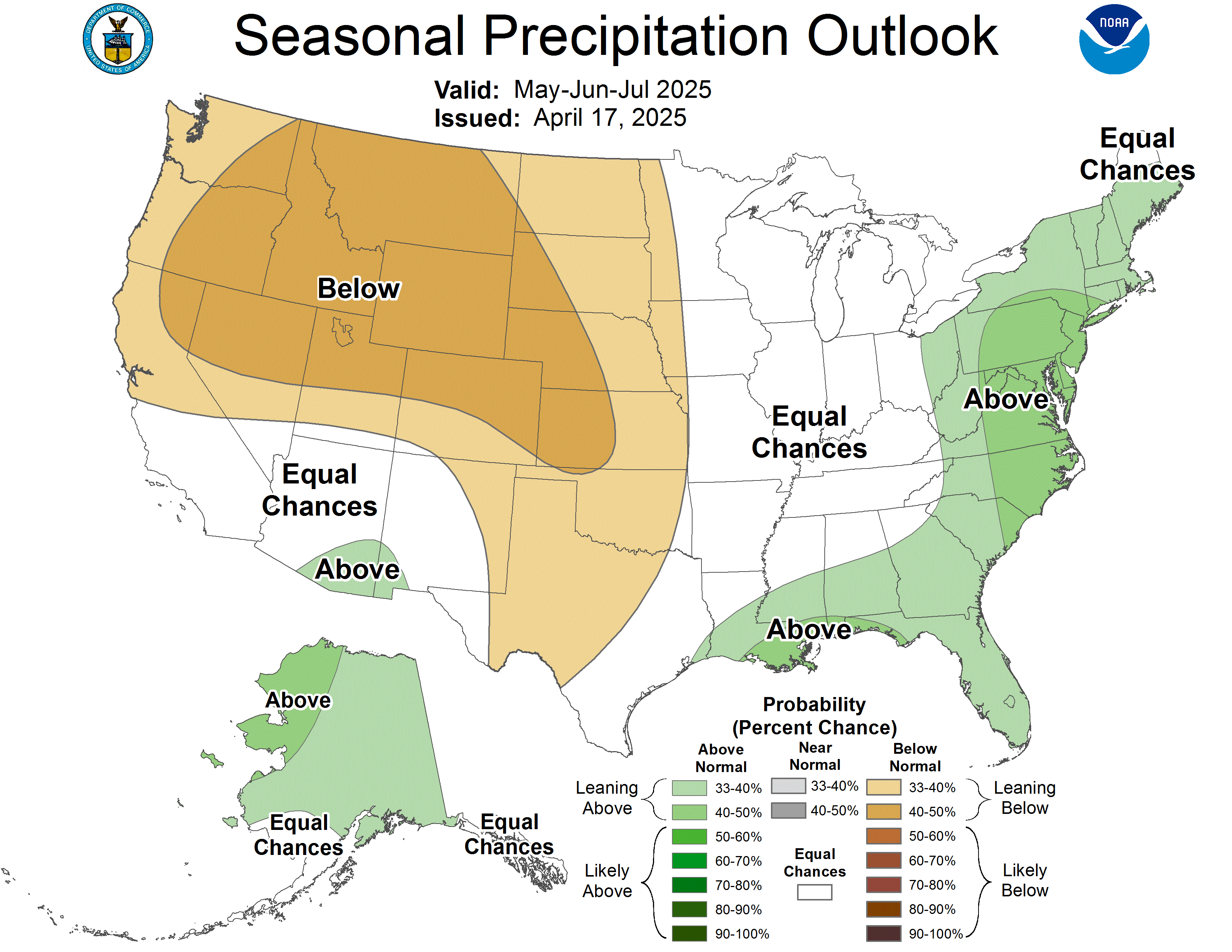
Three Month Outlook
Three Month Outlook
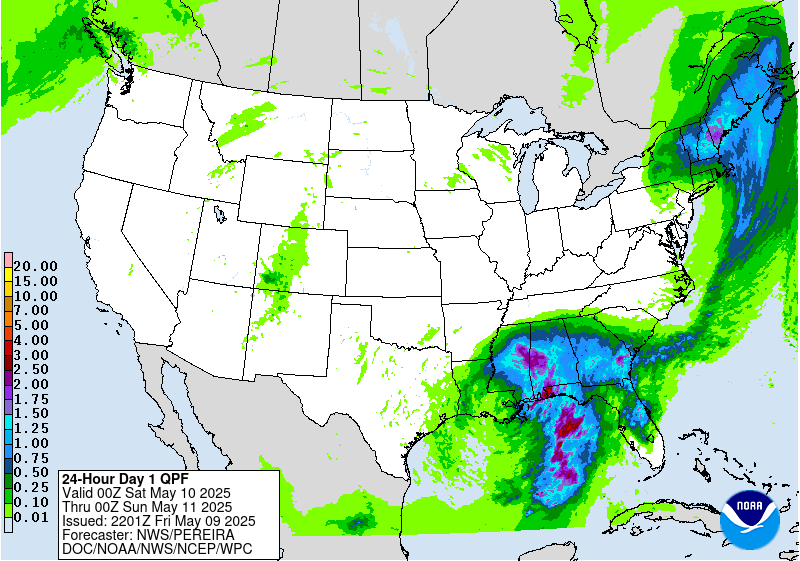
Day 1 Rainfall Amounts
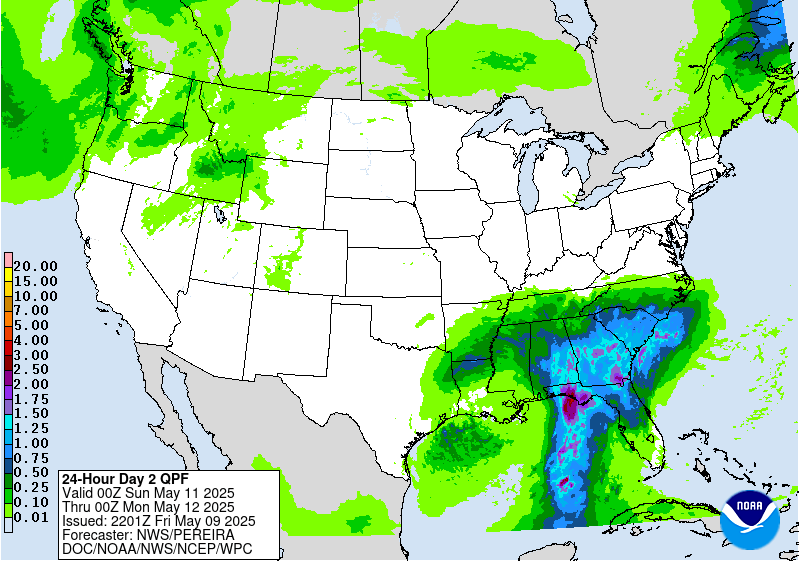
Day 2 Rainfall Amounts
Day 3 Rainfall Amounts
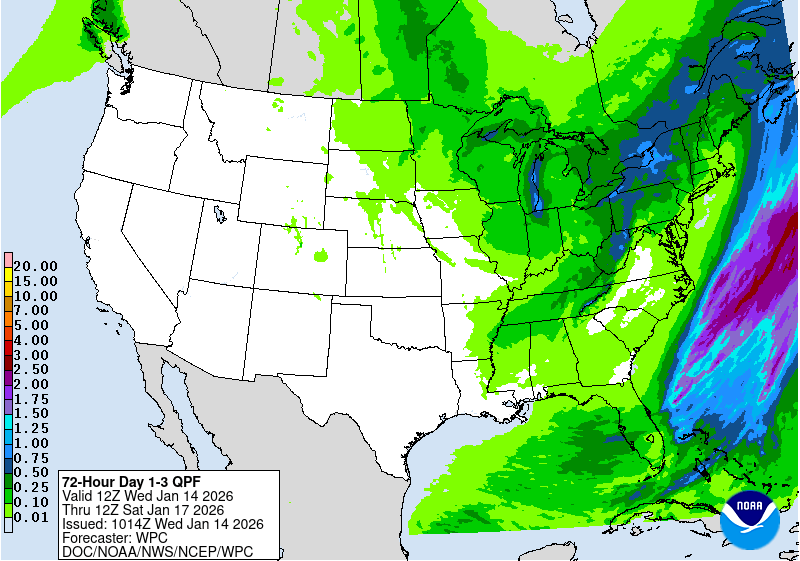
Day 1-3 Rainfall Totals
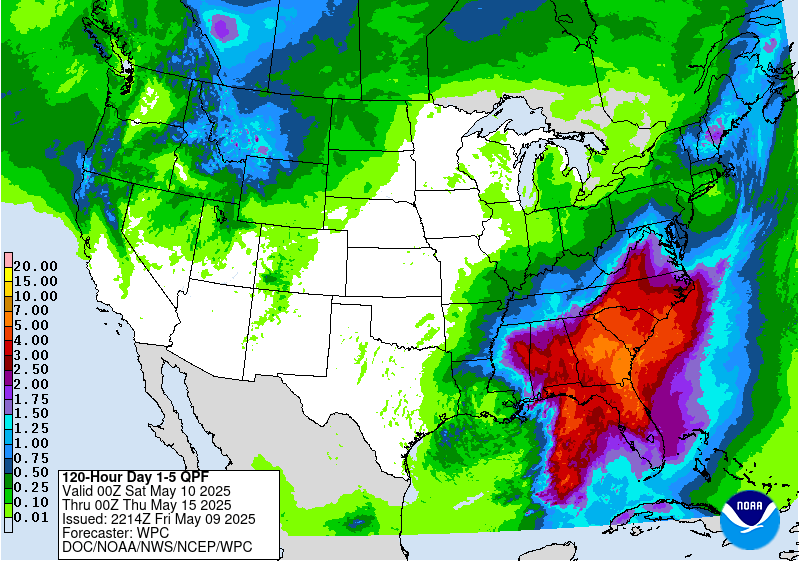
5 Day Rainfall Amounts
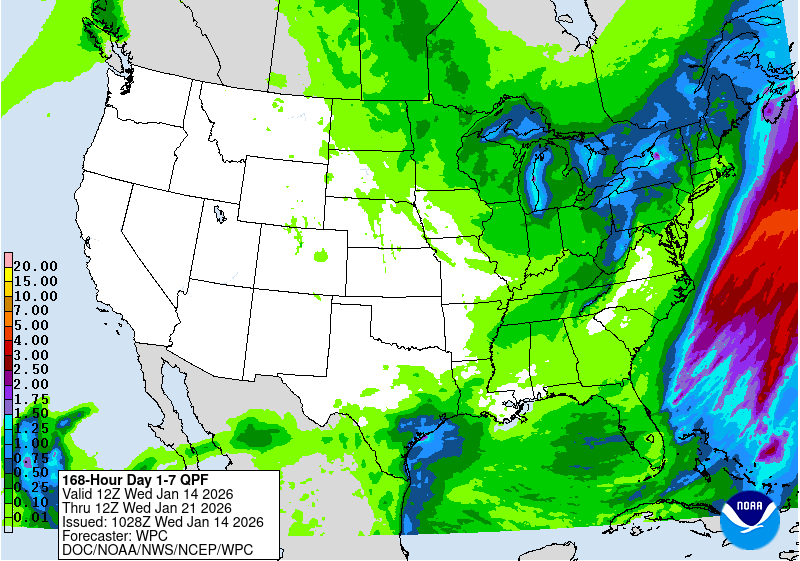
7 Day Total Precipitation
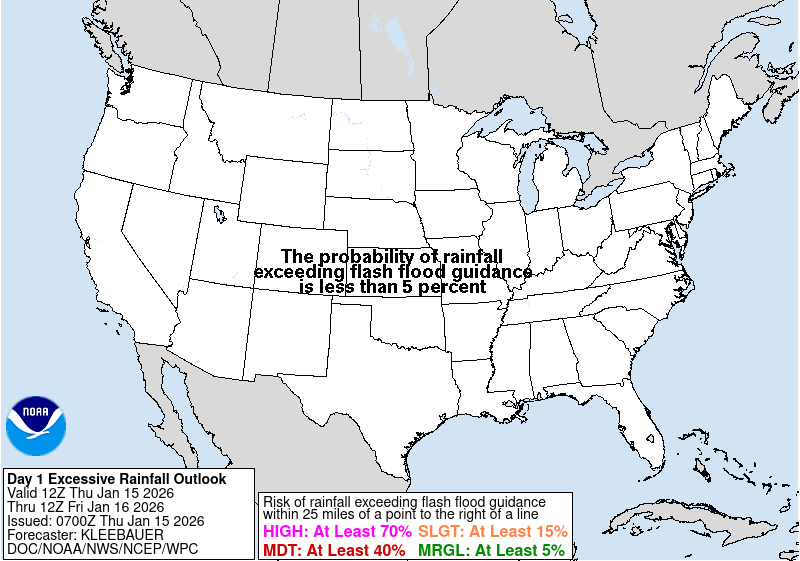
Day 1 Excessive Rainfall
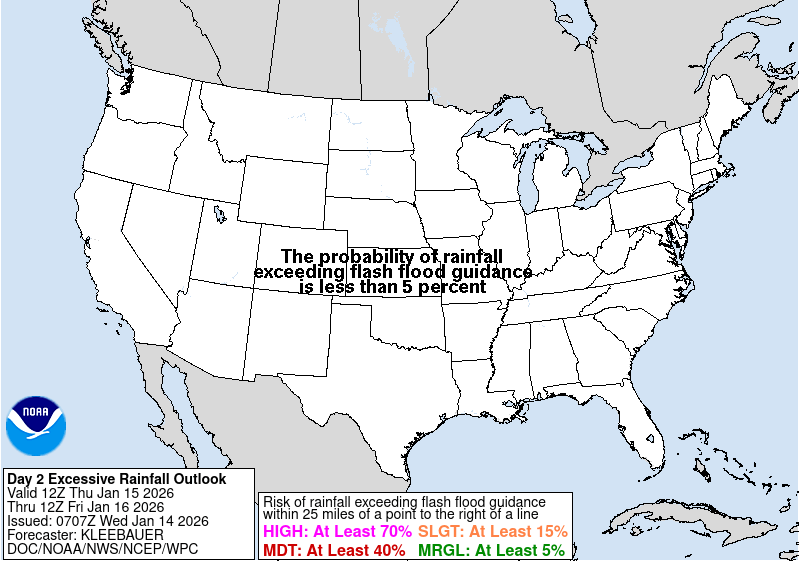
Day 2 Excessive Rainfall
Day 3 Excessive Rainfall
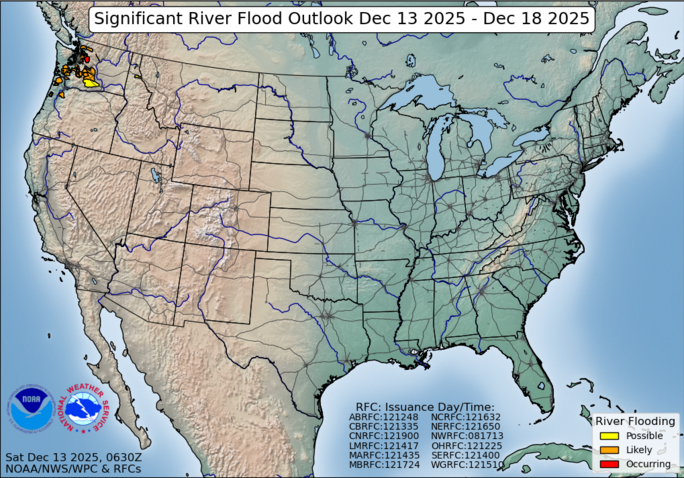
Significant River Flood Outlook
 
Data sources: mesonet.org, hurricanes.ral.ucar.edu, web.uwm.edu, tropic.ssec.wisc.edu, noaa.gov (National Hurricane Center, Ocean Prediction Center, Climate Prediction Center, Environmental Modeling Center, NCEP, Storm Prediction Center, Weather Prediction Center), weather.gov